Pain
Approximately 60 percent of people with MS experience pain that troubles them or interferes with their daily activities. Given that most MS-related pain is chronic it is important for people with MS to develop an effective management strategy.
Pain experienced with MS can be caused by the MS disease itself – due to damage or changes to the central nervous system, bones, muscles or soft tissues – or by unrelated causes, such as an injury or other illness.

Pain in multiple sclerosis
MS-related pain comes from two main sources in the body:
Neurological
Also referred to as neurogenic or central pain, this is caused by MS-related damage to the brain, spinal cord and nerves. Neurological pain can feel unusual – tingling, pins and needles, tight bands, burning and stabbing are common ways to describe this pain.
Musculoskeletal
Also referred to as nociceptive pain, this is caused by damage or changes to the body’s bones, muscles and soft tissues. Examples include pain due to muscle spasms and pain as a result of inactivity or altered posture.
Pain can be chronic, lasting for more than 3 months, or acute, lasting for a shorter period of time. Acute pain is usually related to injury or a short term illness.
Managing pain
Watch our educational webinar on Managing Pain with MS Nurse – Tim O’Maley.
This webinar explains the types of pain that MS may cause and explore both short term and long term management strategies.
There are a number of strategies that can be used to help manage MS pain:
Medication
Medications commonly prescribed for MS-related pain fall into five main categories: anti-convulsants, anti-depressants, simple analgesics, strong analgesics, and anti-spasmodics. While medication can help reduce pain, it rarely relieves MS- related pain completely.
Physical activity and exercise
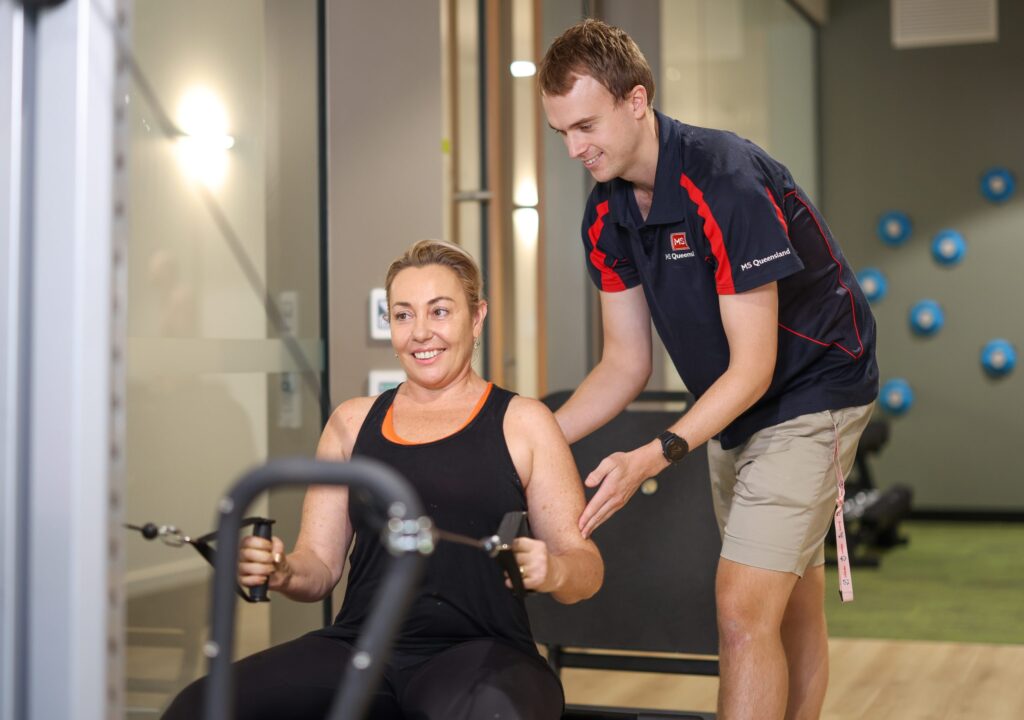
Long periods of rest or inactivity due to pain can lead to a gradual loss of strength and fitness, and difficulty performing day-to-day activities. Regular physical activity and exercise can reverse these effects and help with pain. Physiotherapists and exercise physiologists can assist individuals to develop an exercise regime suited to their needs and ability.
Slow breathing and relaxation techniques
Symptoms of stress can actually make pain worse. Slow breathing or other relaxation exercises can help reduce tension and stress. Listening to music may also help, as can other relaxation and breathing practices such as meditation and yoga.
Goal setting
While pain can be disruptive, setting realistic goals and planning can help many people achieve the things they want to do.
Behavioural strategies
Strategies such as challenging your thinking, problem solving and managing sleep patterns can all help with pain management.
Create a pain management plan
It is important to develop and maintain a pain management plan that takes into account: who can help with pain; what is being done to manage the pain; when these strategies should be reviewed; and what to do in an emergency.
Getting help
General practitioners (GP) can help people with MS to manage their pain on a daily basis and assist with sudden or severe pain. They can also establish if the pain may be caused by something other than MS. People with MS should also consult their neurologist about any new pain, changes in their pain or unusual sensations.
Contact our NeuroAssist Team
Here to help you understand MS and answer your questions.
Download the MSQ Managing a Relapse fact sheet
Includes information, resources and tips to help you manage vision impairment.
Book a Neurophysio consultation
Find out how Neurological Physiotherapy and exercise can help with the management of pain.
Find a support group
Offering friendship, support and self-help in your local area.
Having trouble managing your pain? We’re here to help.
Related services

Accommodation

Employment Support

Home and Community Care