
Debunking 4 Common Myths About Specialist Disability Accommodation
17 March, 2025
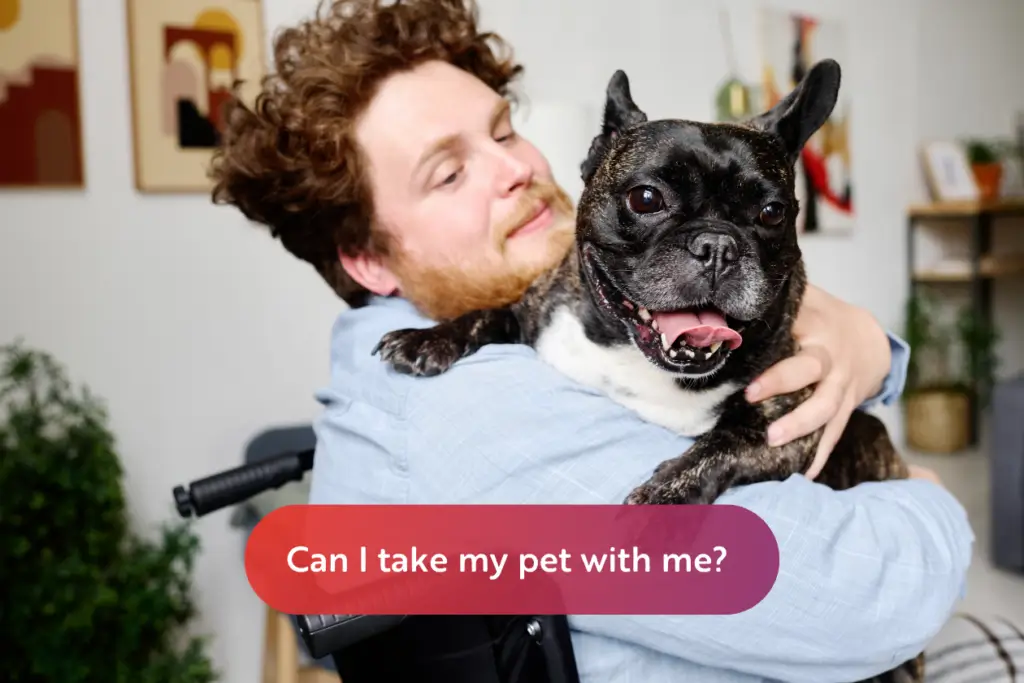
Specialist Disability Accommodation (SDA) offers tailored homes for people with high support needs, providing independence, comfort, and community. However, some misconceptions can make SDA seem less appealing or misunderstood. Let’s bust four common myths about SDA homes and show you why they could be the perfect fit for your lifestyle.
Myth 1: I won’t have any independence or privacy in my SDA home
The truth: SDA homes are designed with independence in mind. Whether you live alone or in a shared living arrangement, the goal is to empower you to live life on your own terms.
- Many SDA homes come equipped with smart features like voice-activated lighting, automated doors, and adjustable benchtops, allowing you to manage tasks independently.
- Some shared SDA arrangements balance community living with personal space, ensuring you have privacy when you need it. MS Queensland specialises in single-occupancy SDA apartments, offering you a private and independent sanctuary!
Your home, your rules – SDA is about creating an environment where you can thrive independently, with support available when you want it.
Myth 2: I’m not allowed pets in my SDA home
The truth: Love your furry (or scaly) friends? You don’t have to say goodbye to them! While each SDA provider may have specific policies regarding pets, just like any other rental property, many are open to pets as they recognise the emotional and mental health benefits they bring.
- Discuss your pet plans with your SDA provider early in the process to understand any requirements or adjustments needed.
- Pet-friendly SDA homes can accommodate service animals and companion pets alike, ensuring your best buddy is welcome.
Your SDA home can still be your pet’s home too!
Myth 3: I’m not allowed visitors to my SDA home
The truth: Having friends and family over isn’t just allowed – it’s encouraged! SDA homes are your space, and like any home, they’re meant to be shared with the people you can about.
- Most SDA homes have communal areas perfect for hosting guests, as well as private spaces for quieter moments.
- Whether you’re planning a casual coffee catch-up or enjoying a BBQ with loved ones in your private courtyard, your home can accommodate your social life.
Your home is open for connection and community!
Myth 4: I can’t decorate my SDA home as my own
The truth: Your SDA home is your canvas! While some elements of your home, like structural features, are fixed to meet accessibility standards, you can absolutely add personal touches to make it feel like home. Think about the overall look and feel, personal touches, colour schemes and elements that make you feel at home.
- Hang your favourite art or bring in furniture that reflects your style.
- Personalise your space with decor, plants, and items that make you feel comfortable and happy.
- Create a comfortable sleeping environment with your favourite pillow!
SDA homes are built to suit your needs, but it’s your personality and style that make it uniquely yours. If you are stuck on ideas, check out our current SDA vacancies to get a feel of what your new home could look like!
Why is SDA Worth Exploring?
Specialist Disability Accommodation homes are more than just accessible spaces – they’re about creating a lifestyle that works for you. Independence, community, and connection are at the heart of what SDA offers, and the myths surrounding them shouldn’t hold you back from discovering what’s possible.
Have questions or want to explore SDA options that match your lifestyle? Reach out to us today and start building a future in a home that’s as unique as you are!
Related posts
Is Telehealth Effective for Neurological Allied Health Appointments?

Meet Michaela: Supporting Employment Pathways in Bundaberg & Wide Bay-Burnett Region