
Physiotherapy or Occupational Therapy: What’s Right for Me
27 March, 2026
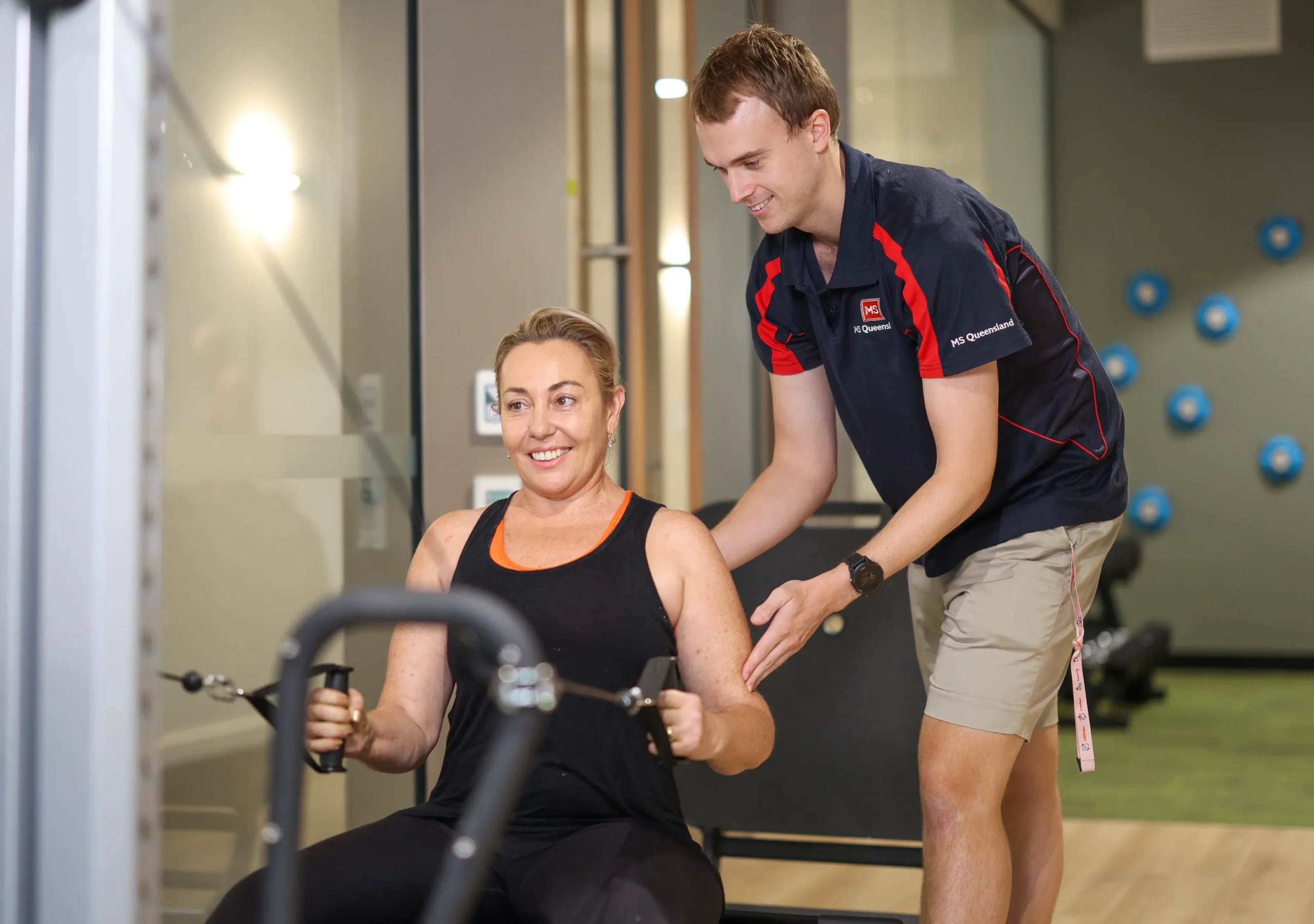
Living with a neurological condition – like Parkinson’s, multiple sclerosis, stroke, or cerebral palsy, can affect how you move, do daily tasks and stay independent. Physiotherapists (physios) and Occupational Therapists (OTs) can both help – but they support you in different ways.
This blog explains what each one does so you can choose the support that’s right for you.
Physiotherapy: Helping your body move well
Physios focus on your movement, strength, balance, and mobility. Their goal is to help you stay active, safe and confident.
A physio can help you:
- Improve balance and walking to reduce falls
- Increasing flexibility and posture to prevent stiffness and pain
- Building strength and endurance for daily tasks
- Managing movement challenges like tremors, weakness, or spasticity
- Using specialised equipment like the C-MILL for gait training
- Creating tailored exercise programs based on your goals
Think of physio as answering the question: “Can I move better and stay strong?”.
Occupational Therapy: Helping you ‘do’ daily life
OT’s focus on helping you stay independent in your daily life. They look at the activities you do each day and help make them easier, safer and more comfortable.
An OT can help you with:
- Managing everyday tasks like dressing, cooking, writing, or using technology
- Finding tools or equipment to make tasks easier
- Energy-saver strategies for when fatigue is a challenge
- Making your home or workspaces safer to reduce risk of falls or accidents
- Supporting cognitive challenges like memory, attention, or problem solving
Think of OT as answering: “How can I do the things that matter to me each day?”.
How Physiotherapy and Occupational Therapy work together
Physio and OT often work side-by-side to support people with neurological conditions.
- Physio helps your body move well
- OT helps you use those movements in daily life
Together, they can help you stay independent, sage, and active as your needs change over time.
Ready to take the next step?
MS Queensland’s physiotherapists and occupational therapists are here to support you.
Contact us today to learn how our team can help you achieve your goals.
Related posts

Is Telehealth Effective for Neurological Allied Health Appointments?
Meet Michaela: Supporting Employment Pathways in Bundaberg & Wide Bay-Burnett Region