
4 Reasons Why Your Current Specialist Disability Accommodation Might Not Be Working
2 June, 2025
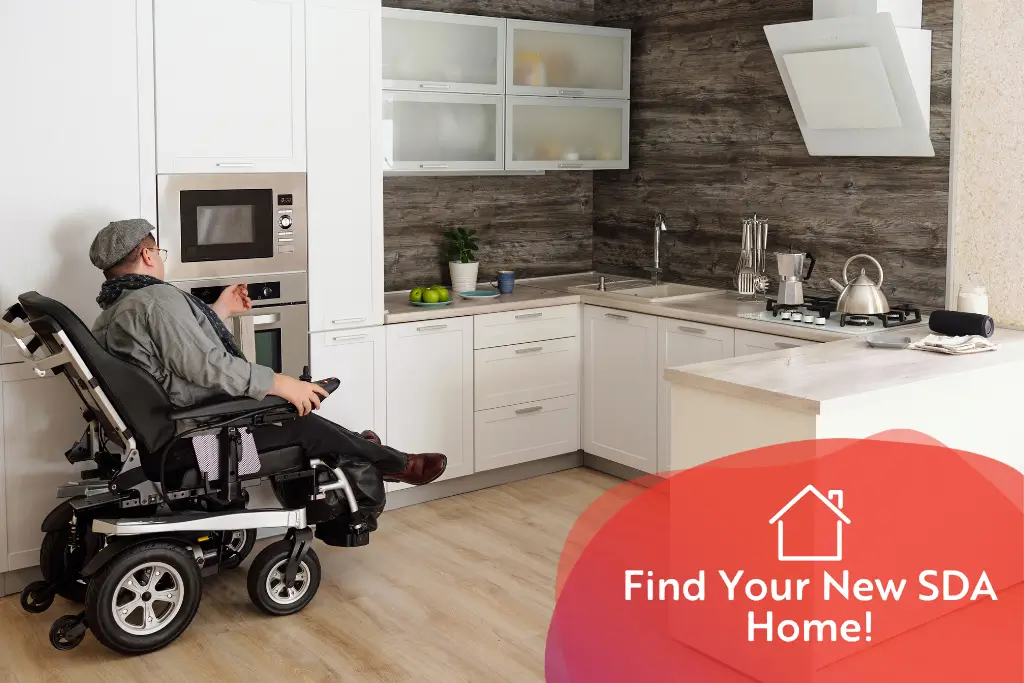
Your home is your santuary – it should be a space where you feel comfortable, safe, supported. But what happens if your Specialist Disability Accommodation (SDA) home isn’t meeting your needs? While SDA housing is designed for people with high support needs, not every setup is a perfect match.
If your current SDA home isn’t ticking all the boxes, it may be time to consider exploring other options. Here are four common reasons your SDA home might not be working for you – and what you can do about it.
1. Your Needs Have Changed
Life is full of changes, and your support needs can evolve over time. Maybe you’ve experienced changes in mobility, requiring additional assistive technology or structural modifications. Or perhaps you’ve developed new health conditions that demand a more accessible or tailored living space. If your home can’t adapt to your changing needs – whether it’s a lack of space for new assistive technology or insufficient safety features – it’s a sign that it might no longer be the right fit.
2. The Design Features Aren’t Meeting Your Goals
SDA homes come with various design levels, from basic improvements to high-tech features. If your home isn’t equipped with the right tools to support your daily life, it can limit your independence and quality of life.
For example:
- Are adjustable bench tops, automated doors, or ceiling hoists missing from your setup?
- Does the layout make it difficult to move around freely with mobility aids?
- Are the smart features, like voice-activated lighting or automated blinds, falling short of what you need?
Your home should empower you to live as independently as possible. If it’s not, it might be time to explore SDA options that better match your goals.
3. The Location Isn’t Ideal
Where your home is located is just as important as what’s inside it. If your current SDA home is far from family, friends, medical facilities, or community services, it can leave you feeling isolated or make accessing support more difficult.
Think about your lifestyle and the connections that matter most to you. If your location isn’t working for you, a move closer to the people and places that support your wellbeing could make a huge difference.
4. The Living Arrangements Don’t Suit You
Many SDA homes involve shared living arrangements, which can be a fantastic way to build a sense of connection and community. But if the dynamics in your home aren’t right – whether it’s clashing schedules, personalities, or support needs – it can affect your comfort and overall happiness.
Alternatively, if you’re sharing a home but feel ready to transition to a more private setup or need more personalised support, there are SDA options designed specifically for individual living like our single-occupancy SDA apartments.
What Can You Do If Your SDA Home Isn’t Working?
The good news? You’re not stuck. The NDIS allows for flexibility, and you have the right to explore SDA options that better align with your needs and goals. Here’s how you can get started:
- Talk to your Support Coordinator (SC) or Occupational Therapist (OT): They can help you assess your current situation and recommend alternatives.
- Review your NDIS plan: Ensure your goals reflect your current needs and discuss updates with your SC if necessary.
- Explore new SDA providers: Look for homes with features, locations and arrangements that better suit your lifestyle.
Your Perfect SDA Home Is Out There:
Your SDA home should be a place where you feel safe, supported, and empowered to live your best life. If your current setup isn’t working for you, don’t hesitate to seek a better fit. With the right guidance and support, finding a home that truly meets your needs is possible.
Need help exploring your options? Contact us today to learn how we can support your transition to an SDA home that feels like it was built just for you.
Related posts

AI Software Brings Faster, Clearer MS Scan Results
Physiotherapy vs Exercise Physiology: What’s the Difference and How Can Each Help You
Physiotherapy or Occupational Therapy: What’s Right for Me
Stay up to date with MS Queensland news
"*" indicates required fields