
AI Software Brings Faster, Clearer MS Scan Results
30 March, 2026
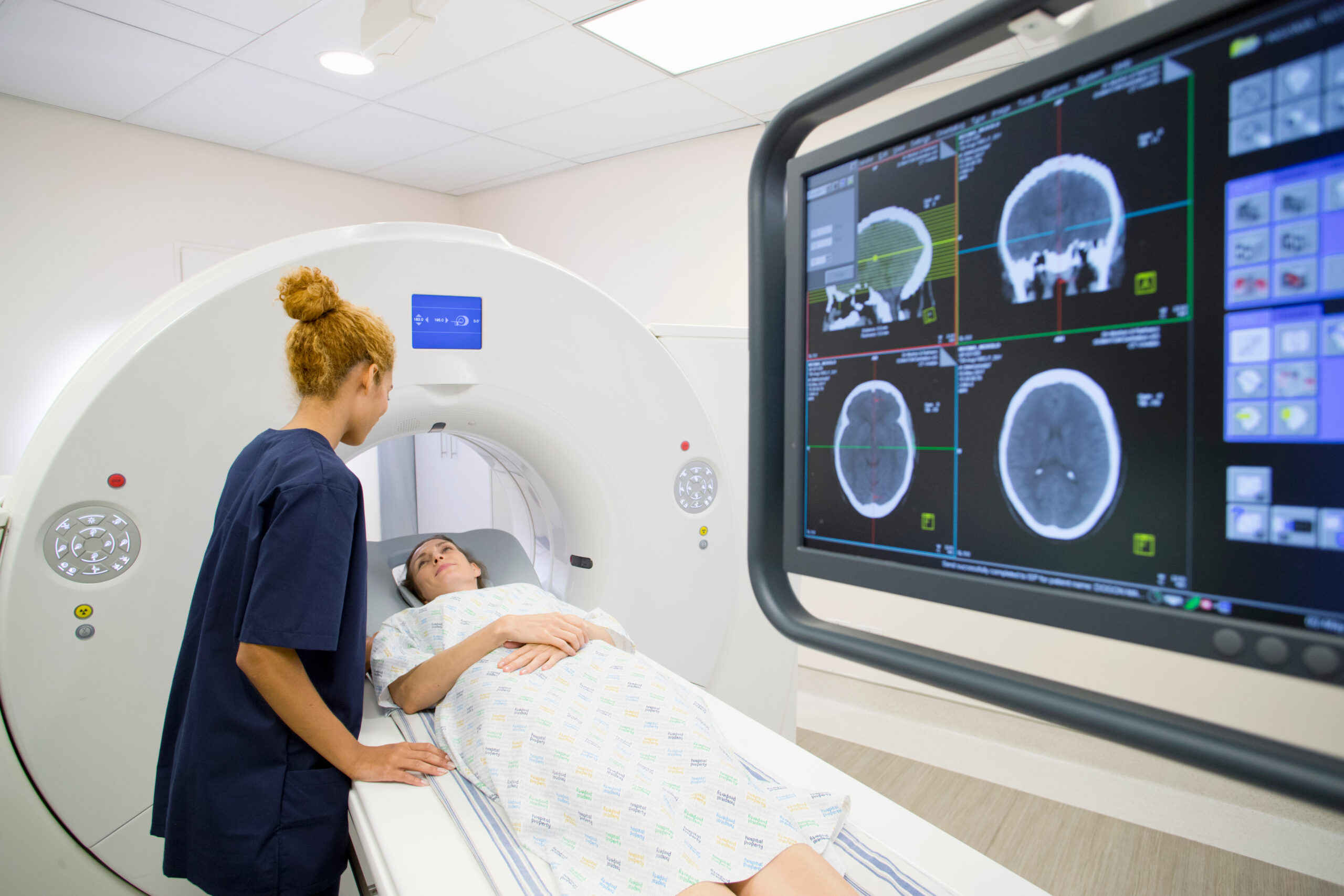
For many people living with MS, MRI scan days can bring a mix of emotions, uncertainty, anticipation, and plenty of questions. Has anything changed? Is my treatment working? What happens next?
Qscan Radiology Clinics across Queensland are now using IQ-Solutions, an AI-supported imaging technology to help provide clearer, more detailed information about changes in the brain over time.
IQ-Solutions carefully compares your most recent scan with your previous one, highlighting even subtle changes such as new or growing lesions and changes in brain volume – both important markers in understanding MS progression. Radiologists remain central to the process, reviewing the images and AI analysis together to provide a comprehensive clinical report.
Alastair Collect, MRI Modality Lead at Qscan Group, says the technology is helping clinicians measure change “in a way that hasn’t been done before”.
“We’re now able to quantify changes over time with greater precision, which supports clearer reporting and more informed clinical conversations”, he said.
What makes this meaningful for people with MS is not just speed – it’s clarity. The software can visually show what has changed since your lasts scan, helping to support more informed conversations with your neurologist about treatment options and next steps.
For people with progressive MS, where changes can sometimes occur more quickly, having detailed comparisons over time may be particculalry helpful.
The AI-technology is TGA approved and has demonstrated a high level of accuracy in detecting changes over time. Importantly, privacy remains a priority. All scan data is de-identified, no personal information is stored, and no information leaves Australia.
With IQ-Solutions now available at Qscan clinics across Queensland at no additional costs, people living with MS can access clearer information, helping them feel more confident, informed and supported in their care journey.
To find a Qscan Radiology Clinic nearest to you, click here.
Related posts
Physiotherapy vs Exercise Physiology: What’s the Difference and How Can Each Help You
Physiotherapy or Occupational Therapy: What’s Right for Me