The Master Locksmiths Access Key (MLAK): 24/7 Access to Accessible Public Facilities
7 January, 2026
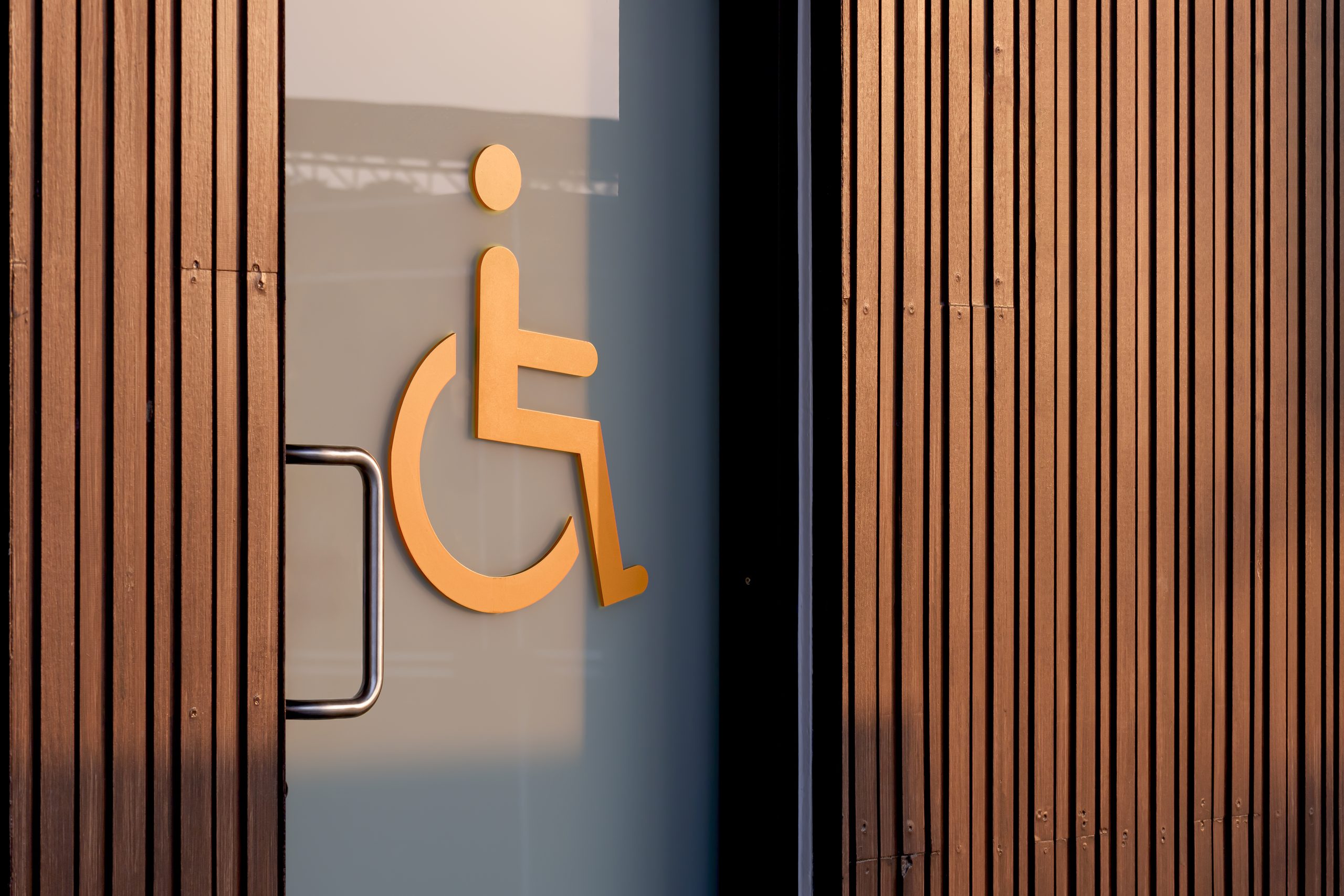
For many people living with MS, symptoms such as bladder and bowel urgency, mobility challenges and reduced motor control can make being out in public stressful and unpredictable. Having reliable access to safe, clean and accessible facilities can make a huge difference to confidence and independence.
The Master Locksmiths Access Key (MLAK) system helps provide that certainty. It’s an Australia‑wide program that gives people with disability secure, 24/7 access to important public facilities. With one MLAK key, users can unlock accessible toilets, Changing Places facilities, certain railway station elevators and other locked amenities in National Parks and Council areas.
The system is simple: one key that opens all MLAK‑enabled locks, no matter where you are in Australia. First launched in 1994, it has grown into a national accessibility tool that supports thousands of people every day.
Who is eligible for a MLAK?
People with disability can purchase an MLAK key. Eligibility also extends to people who have written authority from:
- A doctor
- A disability organisation such as MS Queensland
- A local council or community health centre
- Centre management or the owner of a building with an MLAK‑enabled facility
Where to find a MLAK‑enabled facility?
Many local councils across Australia use the MLAK system and can tell you where MLAK‑enabled facilities are located in your area.
You can also use the National Public Toilet Map, a federal resource listing more than 19,000 public toilets across Australia. It includes details on accessibility, opening hours, showers and baby‑change facilities. The map is available online and as a free app for iPhone and Android.
Implementing MLAK locks is a council decision, and the system is designed to improve access, not limit it. Most MLAK‑enabled facilities (except Changing Places) should remain unlocked during the day or when located next to regular public toilets.
By providing reliable after‑hours access, the MLAK system helps remove one of the biggest challenges faced by people with disability: finding an accessible toilet that’s open when they need it.
How do I purchase a MLAK?
From 1 July 2025, people living with disability can purchase an MLAK key for $64 from participating business members of the Master Locksmiths Association of Australasia.
*The MLAK is a project of the Master Locksmiths Association of Australasia. This information is provided as a community resource only. MS Queensland has no official role in operating or monitoring the program
Related posts
Is Telehealth Effective for Neurological Allied Health Appointments?
Meet Michaela: Supporting Employment Pathways in Bundaberg & Wide Bay-Burnett Region