
How an Occupational Therapist Can Kickstart Your Specialist Disability Accommodation Journey
26 June, 2025
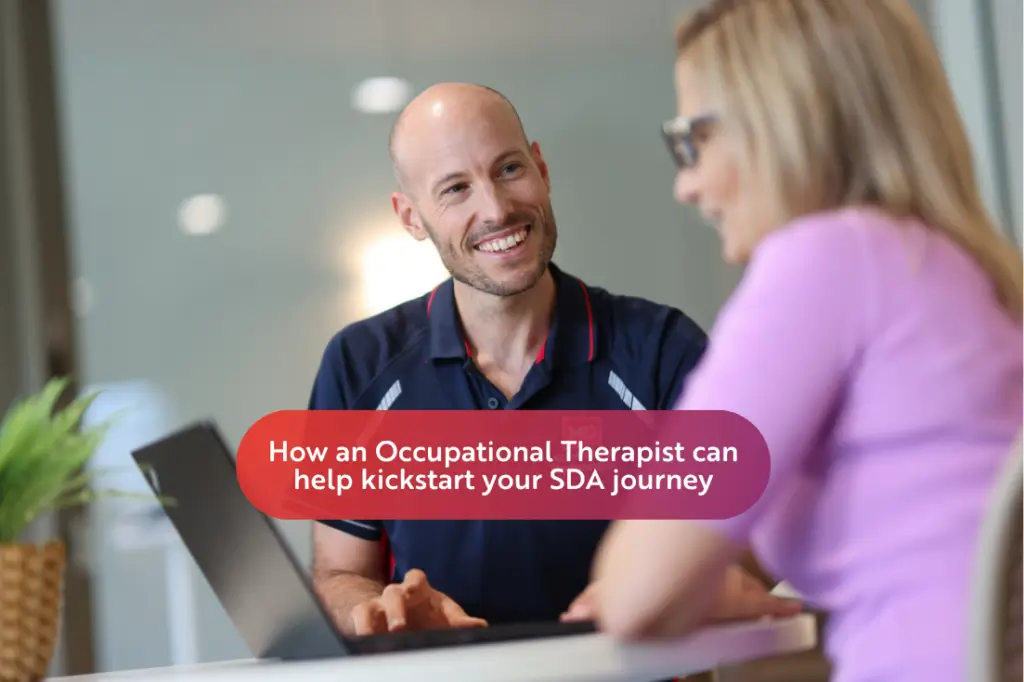
Securing Specialist Disability Accommodation (SDA) through the National Disability Insurance Scheme (NDIS) is a transformative step toward greater independence and a lifestyle tailored to your needs. However, navigating the SDA application process can feel daunting. That’s where an Occupational Therapist (OT) steps in as your trusted guide, helping to pave the way toward a home designed just for you.
Let’s dive into how an OT can be a vital part of your SDA journey and why their role is crucial in securing NDIS funding.
What is Specialist Disability Accommodation?
Specialist Disability Accommodation (SDA) is housing funded by the NDIS, designed to meet the unique needs of people with high & complex support requirements.
Think of it as more than just bricks and mortar – it’s about creating a home that works for you. With purpose-built, accessible features, SDA homes help maximise your independence and make daily life easier, so you can focus on living your best life. These thoughtfully designed spaces are tailored with accessibility and liveability in mind – giving you the tools and environment you need to thrive.
How Can an Occupational Therapist Help?
An Occupational Therapist can play a pivotal role in your SDA journey, from understanding your needs to helping you secure NDIS funding. Here’s how they make it happen:
Understanding Your Needs
Your OT begins with a thorough assessment of your daily life, mobility, and support requirements. They identify the specific features you need in an SDA home, such as ceiling hoists, or adjustable kitchen counters. This helps create a clear picture of what “home” means for you.
Supporting Evidence
To secure NDIS funding, you’ll need to demonstrate how SDA aligns with your goals and supports your independence. Your OT provides detailed reports and evidence that highlight:
- Why SDA is essential for your functional needs.
- How it will improve your safety and quality of life.
- How the design features and support systems will help you achieve greater independence.
Collaborating with your Support Coordinator (SC) or Local Area Coordinator (LAC)
Your OT will work closely with your SC or LAC to ensure your goals and needs are understood. They advocate on your behalf, ensuring your application is supported with strong, evidence-based recommendations.
Exploring SDA Options
Once your funding is approved, your OT can help ensure your new SDA home aligns with your specific needs – they will monitor your progress and provide ongoing support, training and adjustment recommendations for your new SDA home.
Why an OT is Key to Securing SDA Funding
The NDIS requires strong evidence to approve SDA funding, and that’s where an OT shines. Their professional assessments and reports demonstrate exactly how SDA will enhance your independence, safety, and quality of life. They bridge the gap between your needs and the NDIS requirements, ensuring your application is compelling and thorough. This is a vital step when trying to secure SDA funding in your NDIS plan.
The Smart Advantage of SDA
SDA homes are equipped with innovative features that make daily living easier and more enjoyable. Your OT can recommend and advocate for smart technologies that align with your needs, such as:
- Voice-activated systems for lighting, blinds, and appliances.
- Adjustable kitchen benchtops for easier meal preparation.
- Automated doors for effortless mobility.
- Ceiling hoists for enhanced safety and support.
These features empower you to live more independently and focus on what truly matters – living life to the fullest.
Ready to Start Your SDA Journey?
An Occupational Therapist isn’t just a part of your SDA journey – they are a vital component in securing SDA funding and transitioning to your new home.
With their support, you can take the first step toward a home that’s designed with you in mind. Contact us to learn how our Occupational Therapists can help you take the next step in finding your new home sweet home!
Related posts

What’s Next When Your Living Situation No Longer Works?
Meet Mellisa: Supporting Employment Pathways in Gladstone