
Feeling Overwhelmed by Your NDIS Supports? NDIS Support Coordination Can Help
14 July, 2026
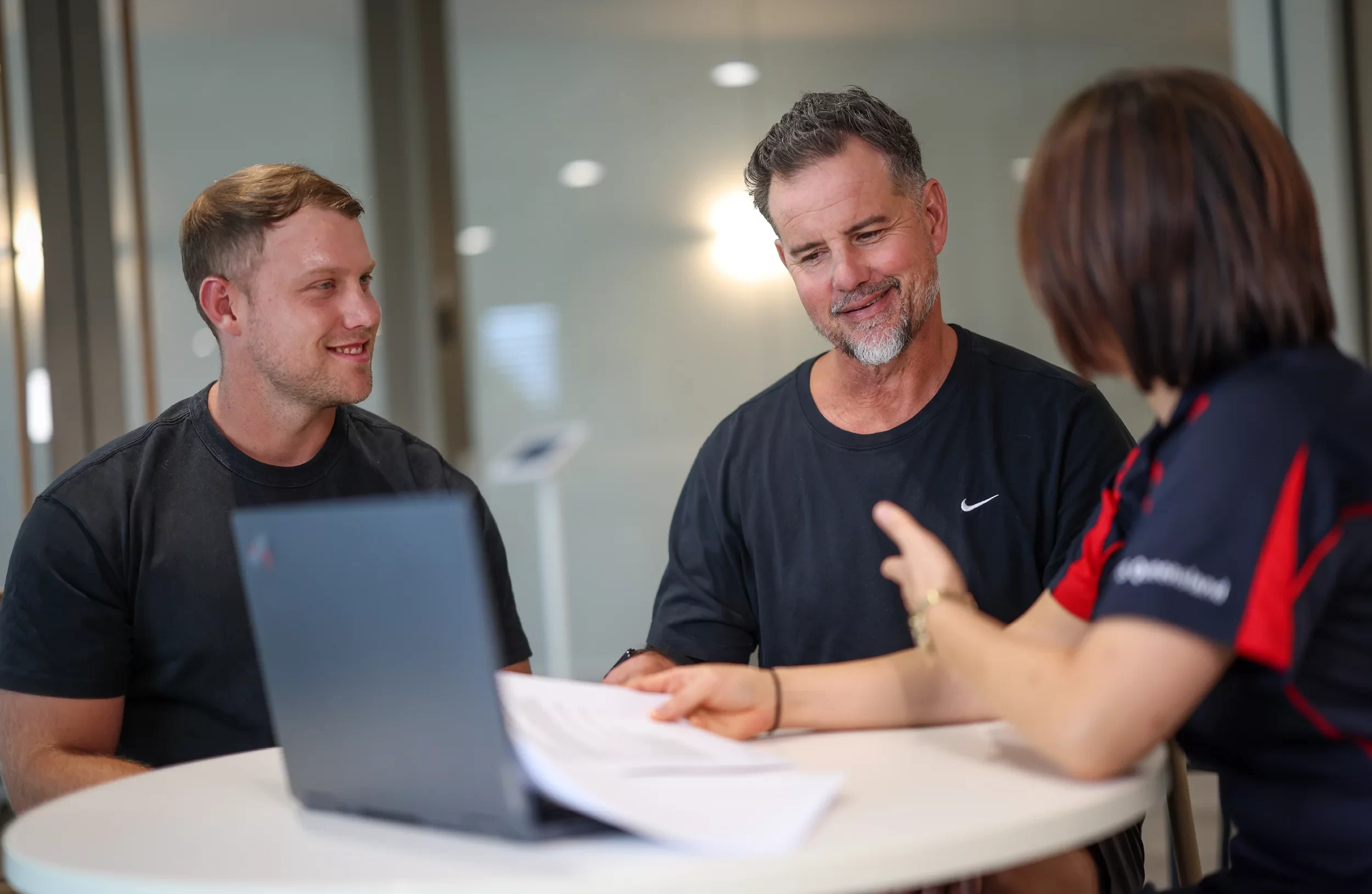
Living with a neurological condition often means navigating more than just health challenges. Whether it’s multiple sclerosis, Parkinson’s disease, acquired brain injury, stroke, or cerebral palsy – many people find themselves managing a complex network of appointments, therapies, support services and NDIS funding.
While the NDIS can provide access to valuable supports, understanding where to start and how to make the most of a plan can feel overwhelming. That’s where Support Coordination can make a real difference.
The Challenges Can Be More Complex Than People Realise
No two people living with a neurological condition have the same experience. Symptoms can vary significantly and may change over time, meaning support needs can evolve as circumstances change.
Many people face challenges such as:
- Managing multiple providers, appointments and therapies
- Understanding what supports are available through their NDIS funding
- Finding providers with the right experience and expertise.
- Coordinating services so everyone is working towards the same goals
- Navigating changes in mobility, communication, cognition or independence
- Preparing for NDIS plan reviews and advocating for changing support needs
- Accessing community, education, volunteering or employment opportunities
- Feeling overwhelmed by paperwork, processes and service coordination
For individuals and their families, keeping track of everything can be time-consuming and stressful.
How a Support Coordinator Can Help
A Support Coordinator works alongside participants to help them understand, implement and get the most out of their NDIS plan.
They can assist by:
- Connecting participants with suitable providers and community services
- Helping coordinate therapies, support works and other services
- Identifying gaps in supports and finding solutions
- Building confidence and skills to navigate the NDIS independently
- Supporting participants through life transitions and changing circumstances
- Helping people prepare for plan reviews and ensuring support needs are well documented
- Advocating when challenges arise with service delivery or access to supports
Rather than having to figure everything out alone, participants have someone in their corner helping them navigate the system and work towards their goals.
Supporting Independence and Quality of Life
Support Coordination isn’t just about organising services. It’s about helping people build independence, achieve their goals and participate in the life they want to live.
For some, that might mean improving daily living skills. For others, it could be increasing community participation, building social connections, accessing education, exploring employment opportunities or finding more suitable housing and support arrangements.
By reducing the stress of coordinating supports and helping participants access the right services at the right time, NDIS Support Coordination can help people focus on what matters most – living well and achieving their goals.
Local Support Across Queensland and Northern New South Wales
Having access to local knowledge can make a significant difference when navigating the NDIS. Understanding what services are available in your community, identifying the right providers and connecting with local opportunities are all important parts of achieving positive outcomes.
Our Support Coordination team works with participants across:
- Far North Queensland – Cairns
- North Queensland – Townsville
- Central Queensland – Rockhampton and Mackay
- Fraser Coast – Bundaberg and Hervey Bay
- Sunshine Coast region
- Moreton Bay region
- Brisbane North
- Brisbane South
- Ipswich
- Toowoomba region
- Gold Coast and Northern New South Wales
- Logan, Redlands and Bayside
Wherever you’re located, having a Support Coordinator who understands your region can help connect you with local services, community programs and support networks that align with your goals and needs.
You Don’t Have to Navigate the NDIS Alone
Living with a neurological condition can present unique challenges, but having the right support in place can make all the difference.
Support Coordination provides guidance, connection and advocacy, helping participants feel more confident and in control of their NDIS journey. From coordinating services and navigating plan reviews to building independence and connecting with local supports, a Support Coordinator can help turn a complex system into a pathway towards achieving your goals.
Whether you’re new to the NDIS or looking for support that better meets your changing needs, our team is here to help you make the most of your plan and live life your way.
Request a callbackRelated posts

Is Telehealth Effective for Neurological Allied Health Appointments?

Meet Michaela: Supporting Employment Pathways in Bundaberg & Wide Bay-Burnett Region