Meet Nicole: Supporting Employment Pathways on the Fraser Coast
11 September, 2026
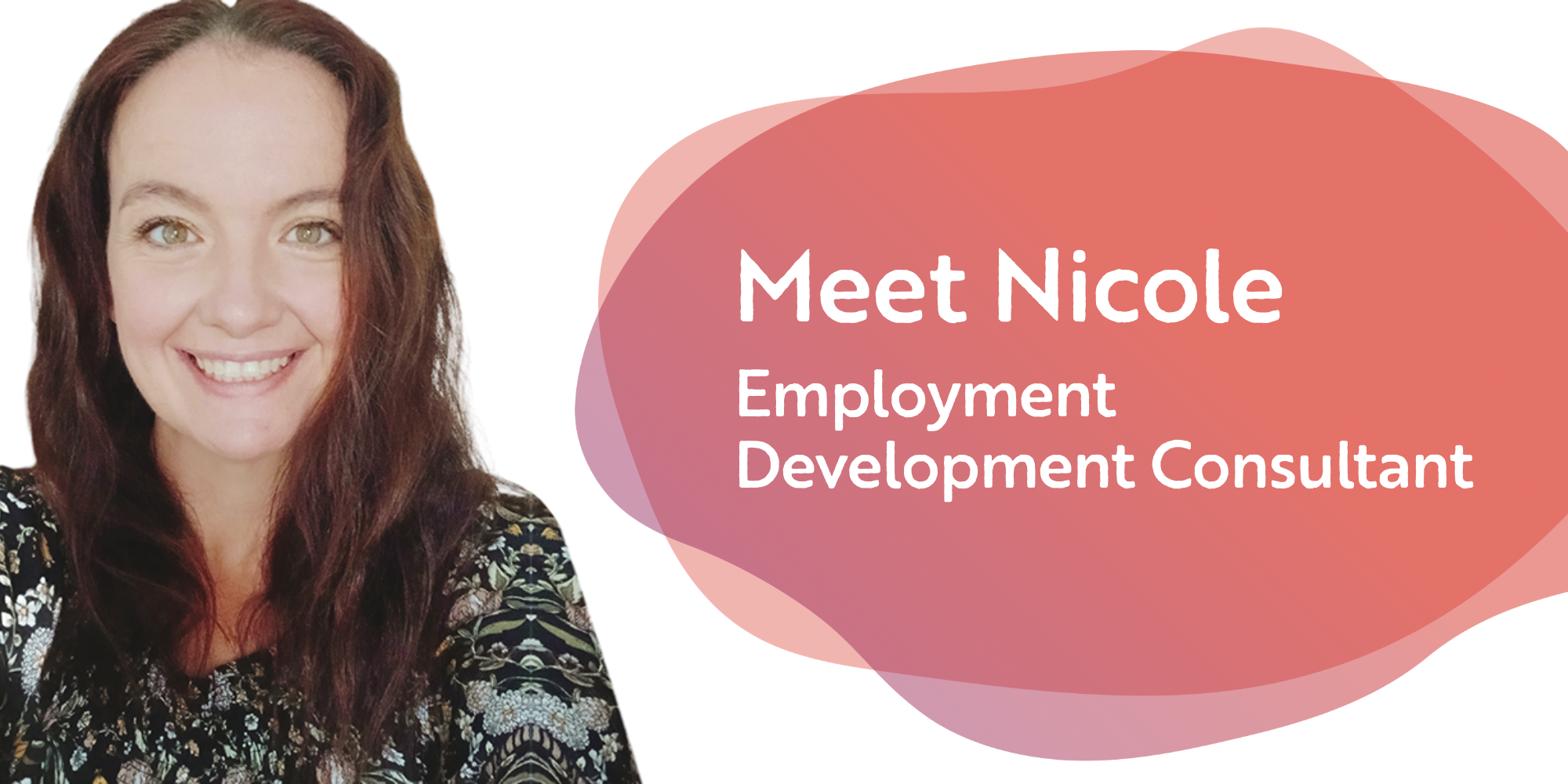
Meaningful employment is about more than simply finding a job. It’s about building confidence, independence and a sense of purpose. We sat down with Nicole, our Employment Development Consultant based in Hervey Bay, on the Fraser Coast, to learn more about her role, what motivates her, and the opportunities available for people living with neurological conditions across the region.
Can you tell us more about your role with MS Queensland on the Fraser Coast and what you enjoy most about helping people achieve their employment goals?
I’m an Employment Development Consultant with MS Queensland, based in Hervey Bay on the Fraser Coast. I support people living with neurological conditions to find meaningful employment and work towards their individual goals.
I work closely with participants and local employers to create opportunities that are the right fit for everyone involved. What I enjoy most is seeing the positive impact that encouragement and the right support can have on someone’s confidence, independence and overall wellbeing.
There’s nothing better than helping someone work towards something that matters to them and seeing them achieve it.
What are some of the most common concerns you hear from people living with neurological conditions when they’re thinking about returning to work, changing roles or staying in employment?
A lot of people worry about how they will manage work alongside their condition, particularly when dealing with symptoms such as fatigue. They may question whether they’ll be able to manage the demands of work or whether returning to employment is still realistic for them.
A big part of my role is helping people rebuild that confidence, recognise the strengths and experience they already have, and explore opportunities that work for their individual circumstances.
What does effective employment support look like in practice, and how do you tailor your approach to each person’s goals, strengths and circumstances?
Effective employment support looks different for everyone.
For me, it starts with taking the time to get to know the person, understand their goals and strengths, and identify any challenges they may be facing. From there, we can work together to explore opportunities that are the right fit.
No two people are the same, so it’s important to meet people where they are and provide the level of support they need to move towards their employment goals. It’s about building confidence, focusing on strengths and helping people achieve sustainable employment in a way that works for them.
What employment opportunities are you seeing across the Fraser Coast, and are there any industries or sectors showing strong potential for job seekers locally?
Across the Fraser Coast, I’m seeing opportunities across several industries, including healthcare, aged care, disability services, hospitality and retail.
Like many regional areas, transport and access to suitable roles can sometimes be a challenge for job seekers. However, there are still strong employment opportunities available locally, particularly in people-focused industries where skills, reliability and a willingness to learn are highly valued.
Finding the right opportunity is about considering not only the role itself, but also whether it suits the person’s circumstances, strengths and employment goals.
What’s one thing you wish more employers understood about employing people living with neurological conditions?
I wish more employers understood that a neurological condition doesn’t define a person’s potential.
I meet so many people who have valuable skills, experience and a great deal to offer a workplace. Sometimes they simply need an employer who is willing to look beyond the condition, recognise those strengths and give them an opportunity.
For someone who may have lost confidence in their ability to work, what would you like them to know before taking that first step and reaching out for support?
I’d like them to know that they’re not alone and that it’s okay to take things one step at a time.
Managing a health condition can affect your confidence, but it doesn’t take away your skills, experience or what you have to offer. Everyone has something valuable to contribute.
Sometimes all you need is the right support and someone in your corner to help you see what’s possible.
Request a callbackRelated posts

Chronic Fatigue and Employment: Support to Stay in Work or Find the Right Job
Meet Christian: Creating Sustainable Employment Outcomes on the Gold Coast