Meet Emily
17 April, 2024
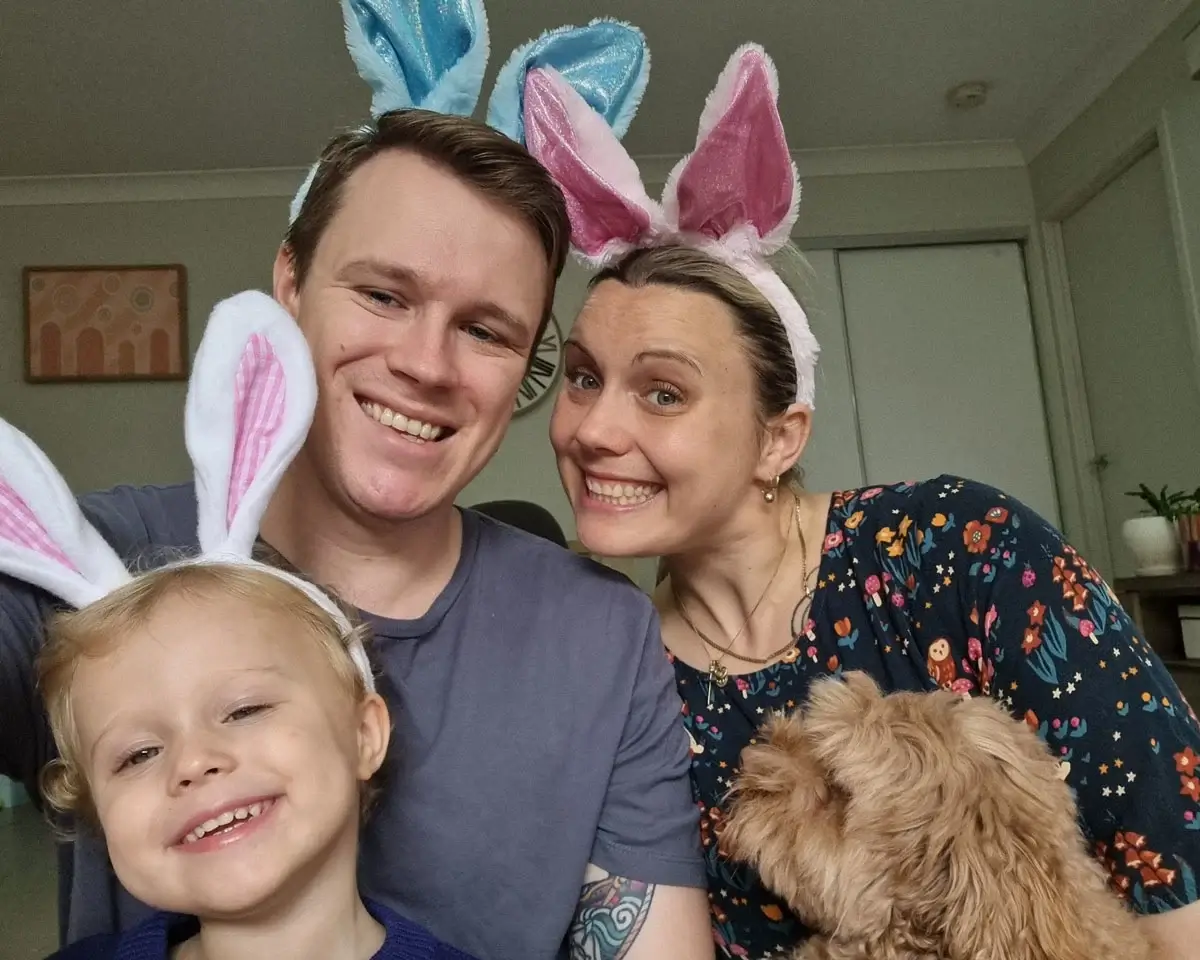
At 17, during her first year at university, Emily was diagnosed with relapsing-remitting multiple sclerosis (RRMS). The diagnosis came as a shock and marked the beginning of a challenging journey.
Initially Emily struggled to come to terms with the reality of living with a chronic illness, especially at such a pivotal point in life. However, with the support of my family, friends, and healthcare professionals, she endeavored to navigate through the uncertainties that lay ahead.
Despite her determination, the progression of Emily’s MS presented significant hurdles to her academic pursuits.
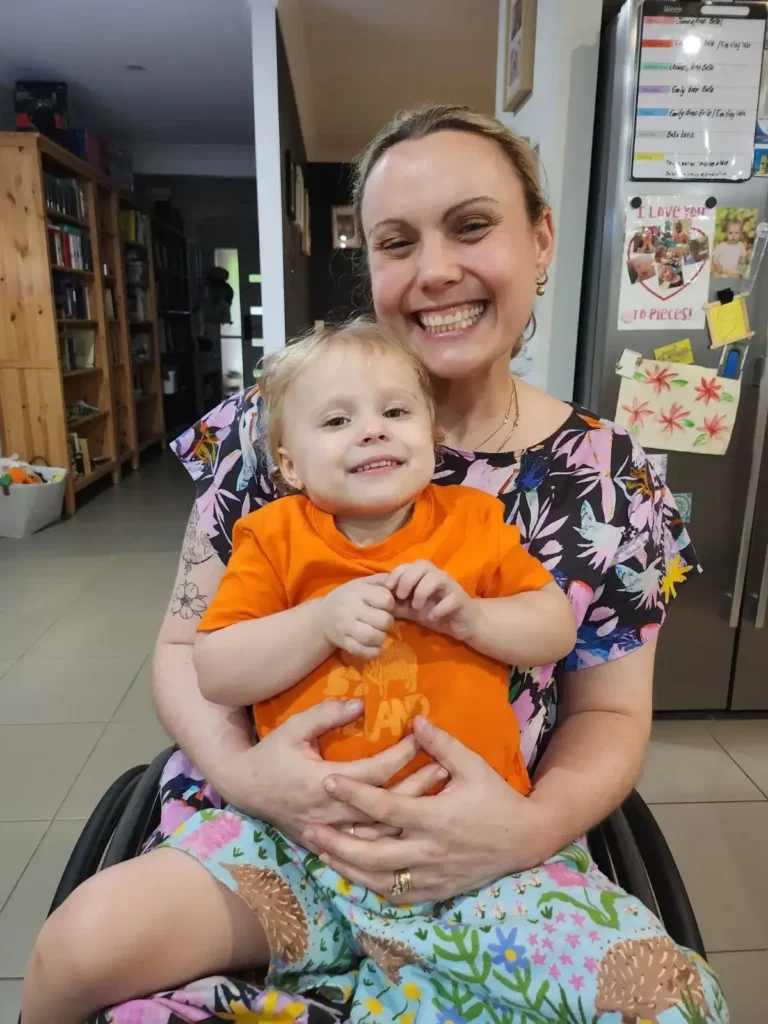
I encountered periods of relapse where I experienced severe symptoms, including loss of vision, speech difficulties, mobility issues, and bladder dysfunction.
Deciding to focus on managing her health and adjusting to changes brought about by MS, Emily made the difficult decision to temporarily put her education on hold.
Over the next decade, Emily underwent many treatments and interventions aimed at managing her MS symptoms and slowing its progression. Despite setbacks and moments of despair, she refused to let her diagnosis define her or dictate the course of her life.
Through perseverance and resilience, I gradually regained a sense of control and purpose.
Returning to university with a new focus, Emily pursued a degree in special education, driven by personal experiences and a deep-seated desire to advocate for individuals with disabilities.
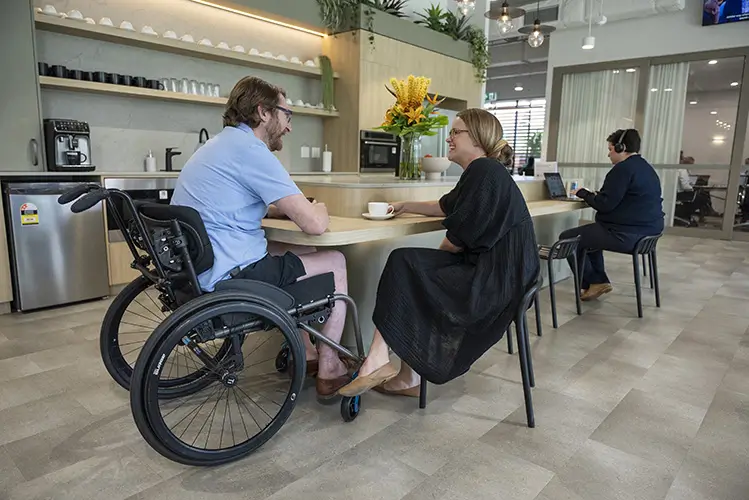
Today, despite her MS progressing to secondary progressive MS (SPMS) and facing challenges like using a wheelchair, Emily proudly serves as a passionate advocate and special educator.
I am proud to say that I have found my calling as a passionate advocate and special educator.
Emily is grateful for the love and support of her partner, who has stood by their side since the diagnosis, and the joy of parenthood with their two-year-old child.
She hopes that by sharing her story she can make a difference to others facing similar challenges:
Persevere and pursue your dreams despite the obstacles you may encounter along the way.
Related posts
Meet Daryl
Struggling with Balance, Mobility or Fatigue? How Neurological Therapy Can Help