Reclaim Your Independence with Occupational Therapy
12 November, 2025
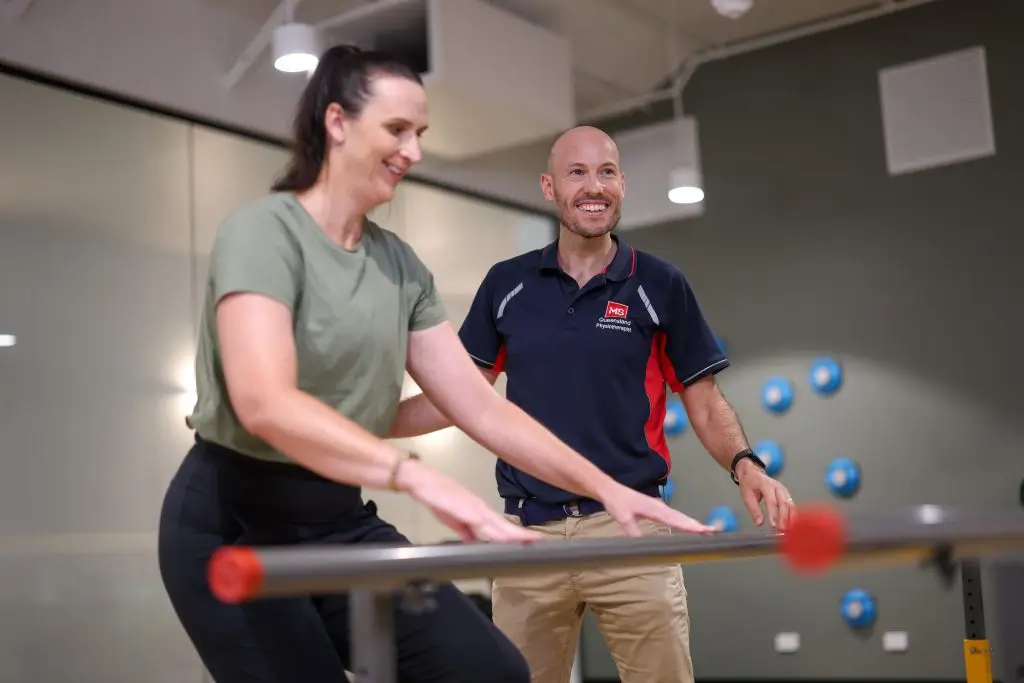
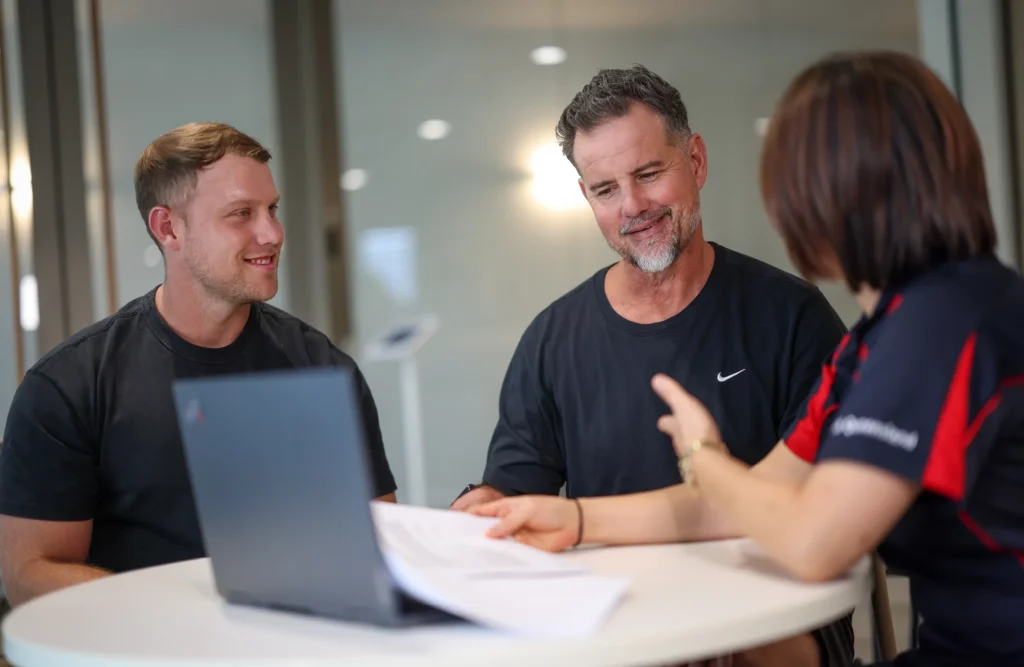
Living with a neurological condition can change the way you move, think, and complete everyday tasks. At MS Queensland, our Occupational Therapists (OTs) can help you regain independence and confidence through personalised, practical strategies tailored to your needs.
Whether you’ve experienced a stroke, brain injury, or live with a progressive neurological condition, our team works with you to improve your quality of life and ability to participate in meaningful activities.
How Our Occupational Therapists Can Help
Our OTs take a person-centred approach, focusing on what matters most to you. We help you live safely, comfortably, and independently through a combination of therapy, practical strategies, and adaptive equipment.
Some of the services we provide include:
- Functional capacity assessment and review – evaluating your abilities and identifying areas where support or therapy can make the biggest difference.
- Activities of daily living assessment and retraining – helping you regain independence with tasks such as dressing, cooking, showering, and other self-care routines.
- Low and mid cost assistive technology and equipment support – recommending and training you on devices such as adaptive equipment, show chairs, or falls alarms.
- Arm and hand function assessment and retraining – exercises and techniques to improve strength, coordination, and movement.
- Home assessment and minor modifications – simple changes like installing grab rails, small remaps, or other safety adjustments to make your home easier to navigate.
- Memory and cognitive assessment and strategies – helping you manage memory, planning, and problem-solving challenges with practical tools for everyday life.
SDA Eligibility Assessments
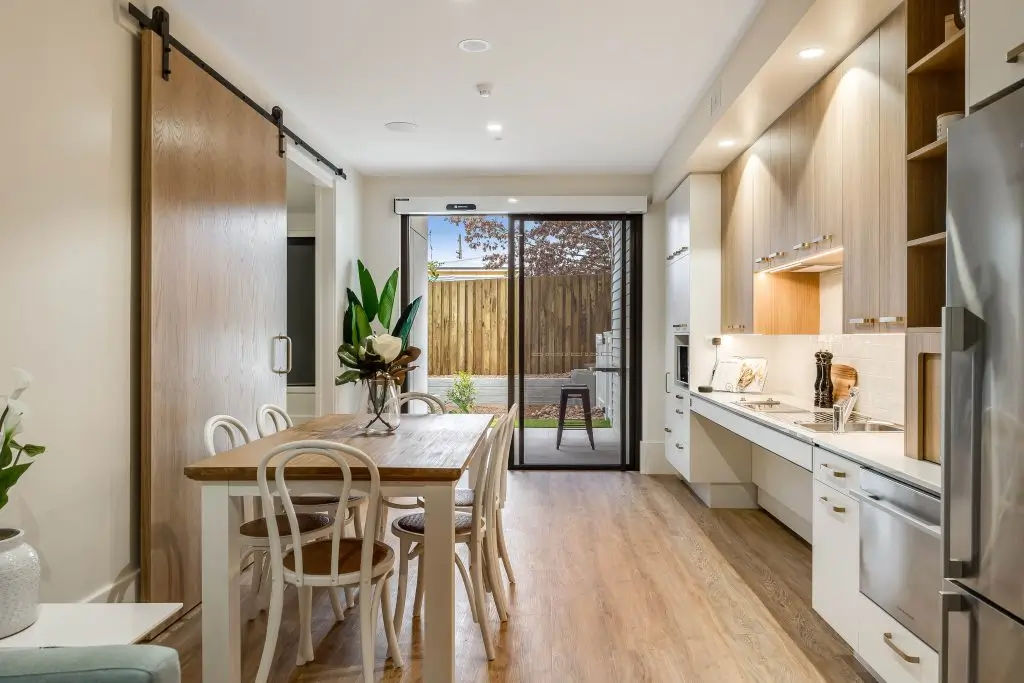
For people who may require Specialist Disability Accommodation (SDA), our Occupational Therapists can also complete SDA eligibility assessments. These assessments determine whether someone meets the NDIS criteria for SDA and what type of housing options best support their long-term independence and safety.
An SDA eligibility assessment may include:
- A comprehensive functional assessment
- Evaluation of current living arrangements and safety risks
- Identification of housing related support needs
- Recommendations on the most appropriate SDA category and design type
- Detailed clinical evidence to support your NDIS application or review
Our OTs guide you through the process, making it clearer and less overwhelming while ensuring your needs are accurately represented.
The Benefits of Occupational Therapy
Occupational Therapy helps you live life more comfortably and independently. With ongoing support, you can:
- Move safely at home and in your community
- Manage fatigue and conserve energy
- Transfer safely in and out of bed, chairs, shows and the car
- Perform daily activities with confidence and independence
- Use assistive technology and home modifications effectively
- Improve arm, hand, memory and cognitive function
What to Expect in Your First Appointment
Your first session is all about understanding your goals and challenges:
- Initial discussion: Your OT will talk with you about your health, routines, and what independence means to you.
- Assessment: We will observe how you perform daily tasks and use your home environment.
- Goal setting: Together, we’ll set achievable goals for therapy, equipment, or home modifications.
- Therapy plan: Your OT will outline strategies, exercises, and tools to help you reach your goals.
Flexible Access Across Queensland
We provide Occupational Therapy in a way that suits your lifestyle:
- In person appointments at our Milton Neuro Wellness Hub in Brisbane
- Home visits within our service area
- Telehealth sessions via secure video or phone call
No matter where you are in Queensland, our team ensures you get the support you need.
Funding & Insurance
Occupational Therapy can be funded in several ways, making it easier to access the support you need:
- NDIS funding (for eligible participants)
- My Aged Care
- Private health insurance: if your neurological condition was caused by an injury, such as a traumatic brain injury or other accident-related injury, your health insurance may cover Occupational Therapy sessions. Be sure to check your policy for coverage details.
- Private payment with potential Medicare rebates.
Take the Next Step
Whether it’s home modifications, assistive technology or personalised therapy, or team of Occupational Therapists are here to help you live safely, confidently and independently.
Contact our friendly team today to book your appointment!
Related posts

What’s Next When Your Living Situation No Longer Works?
Meet Mellisa: Supporting Employment Pathways in Gladstone