Understanding SDA: Who Is It For and What Evidence Is Needed?
11 September, 2026
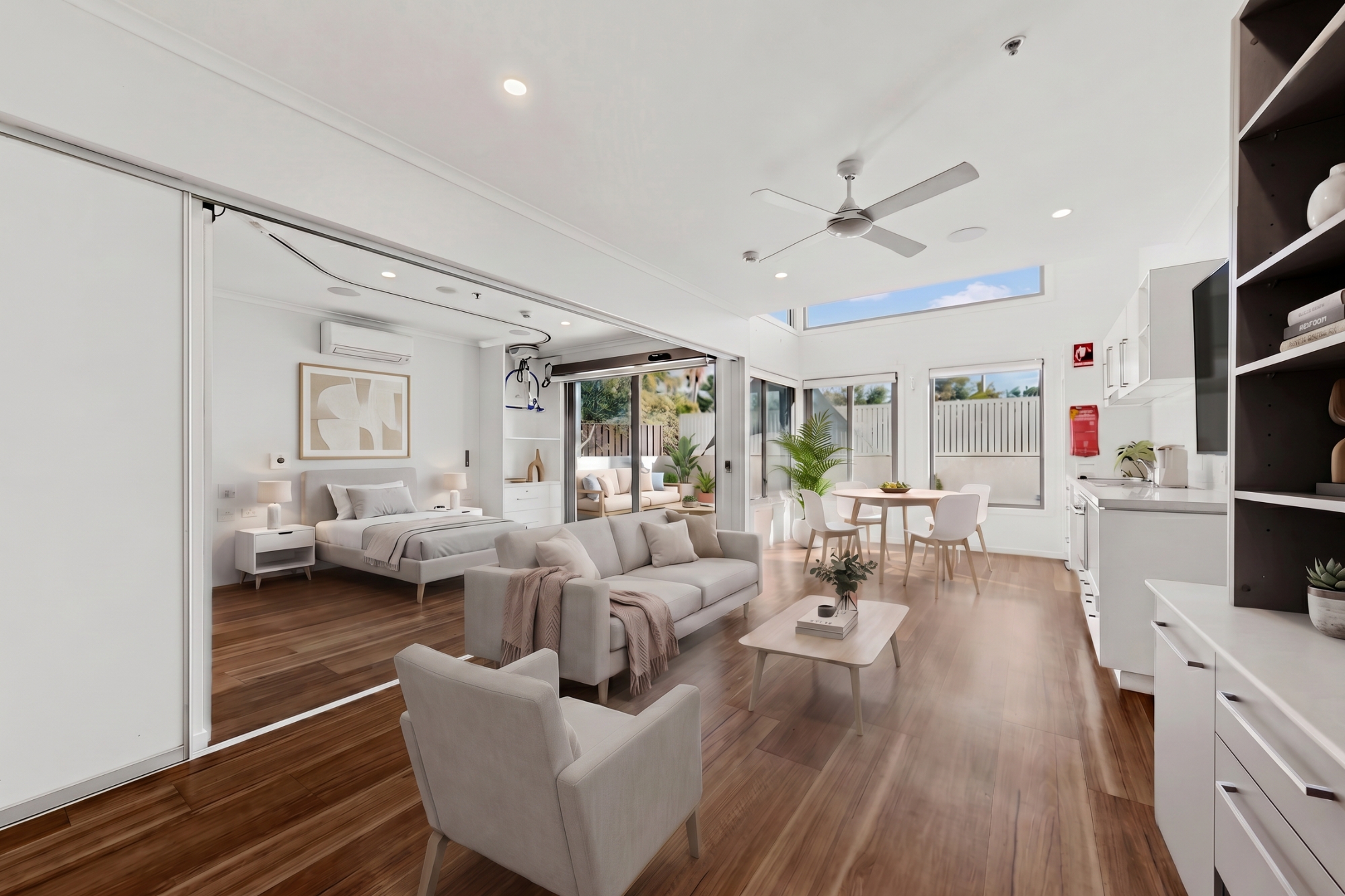
For some NDIS participants, finding the right home is about more than having a place to live. It is about having an environment that supports independence, enables safe delivery of supports, and accommodates the impact of a person’s disability.
Specialist Disability Accommodation (SDA) can play an important role for people with significant and complex support needs. However, because SDA funding is only available to a small proportion of NDIS participants, understanding who may be eligible and what evidence is required is essential.
What is SDA?
Specialist Disability Accommodation (SDA) is housing designed for people with extreme functional impairment or very high support needs.
These homes are built with specialist design features that help people live as independently as possible, while also supporting the safe and effective delivery of their supports. Depending on a person’s needs, SDA may include features such as wheelchair accessibility, assistive technology integration, reinforced construction, or layouts designed for overnight supports.
A common misconception is that SDA funding covers support services. In fact, SDA funds the home itself, not the supports delivered within the home. Supports and SDA are funded and assessed separately through the NDIS.
Who Is SDA Designed For?
SDA is not intended for everyone with a disability, nor is it designed to solve general housing challenges.
Instead, SDA is reserved for people whose disability-related needs are so significant that specialist housing is considered a reasonable and necessary support. The NDIA assesses whether a participant meets specific eligibility criteria and whether SDA represents a better outcome than alternative housing and support arrangements.
When considering SDA, the focus is not simply on where a person wants to live, but on how their disability impacts their daily life and whether specialist housing is needed to support their functional needs and long-term outcomes.
The Two Eligibility Pathways Explained
There are two primary pathways through which a participant may meet SDA eligibility requirements.
Extreme Functional Impairment
Under this pathway, a participant must have:
- Extreme functional impairment in mobility, self-care, or self-management; and
- A very high need for person-to-person support, even when assistive technology, equipment, or home modifications are in place.
This pathway focuses on the impact a person’s disability has on their ability to complete everyday activities and the level of support required to safely manage daily life.
Very High Support Needs
Under this pathway, a participant may be eligible if they
- Have lived in residential aged care or SDA for an extended period and face significant barriers to moving; and
- Require person-to-person support that is immediately available or provided throughout a significant part of the day.
The NDIA may also consider:
- Whether there are limitations or risks to the participant’s informal support network.
- Whether the participant is at risk, or poses a risk to others, and those risks could be reduced through an SDA housing solution.
Information for Participants and Families
For participants and families, one of the most important things to understand is that SDA applications are evidence-driven.
While challenges such as inaccessible housing, rental pressures, or long public housing waitlists can create significant stress, these factors alone do not demonstrate SDA eligibility. The NDIA needs evidence showing how a person’s disability affects their everyday functioning and why specialist housing is required.
Evidence may include:
- Occupational Therapy Functional Capacity Assessments (FCA).
- Specialist medical reports.
- Support diaries, particularly where overnight supports are required.
- Assessments such as WHODAS, FIM, or CANS.
- WHODAS (World Health Organization Disability Assessment Schedule), helps measure how a person’s disability affects everyday activities and participation in the community.
- FIM (Functional Independence Measure), assesses the level of assistance a person requires to complete daily tasks such as mobility, personal care and communication.
- CANS (Care and Needs Scale), helps identify the level of support and supervision a person needs in their day-to-day life.
- Carer statements and other supporting documentation.
Strong evidence helps paint a clear picture of a participant’s daily life, the support they require, and the barriers they experience within their current living environment.
If SDA is being considered, early conversations with an Occupational Therapist, Support Coordinator, or NDIS planner can help identify what evidence may be needed and whether SDA is likely to be the most appropriate housing pathway.
Information for Support Coordinators and Allied Health Professionals
For support coordinators and clinicians, one of the biggest challenges is ensuring the evidence clearly links functional impairment and support needs to the recommended housing outcome.
A strong SDA submission goes beyond diagnosis. It demonstrates why the participant’s disability creates a need for specialist housing and why alternative options are unlikely to provide the same outcomes.
Evidence for Extreme Functional Impairment
Evidence may include:
- Occupational Therapy Functional Capacity Assessment.
- Support ratios and details regarding support requirements.
- Information regarding formal and informal supports.
- WHODAS assessments.
- Functional Independence Measure (FIM) assessments.
- CANS assessments.
- Support diaries, particularly overnight support records.
- Specialist reports and medical evidence.
Evidence for Very High Support Needs
For participants who may meet the very high support needs pathway, evidence may include:
Long-term residence in residential aged care or SDA
- Length of time living in the setting.
- Documented barriers to transitioning elsewhere.
High level of person-to-person support
- Occupational Therapy Functional Capacity Assessment.
- Detailed support schedules.
- Support diaries and support logs.
Risk to informal support networks
- Carer statements.
- Evidence outlining sustainability concerns and support burden.
Risk to self or others
- Positive Behaviour Support Plans.
- Risk assessments.
- Police reports where relevant.
The strongest submissions tell a consistent story across all reports and supporting documents, demonstrating both functional need and the benefits of specialist housing.
What Makes a Strong SDA Application?
A strong SDA application clearly explains not only why the participant requires SDA, but also why a specific SDA solution is the most appropriate option.
Key elements to include
- Evidence that disability significantly impacts daily living and independence.
- Clear justification for the proposed housing type, such as:
- Apartment
- Duplex
- Townhouse
- House
- Shared living arrangement
- Recommendations regarding the preferred support model, including:
- Whether the participant can safely be left alone.
- Whether overnight supports are required.
- Whether support must be immediately available.
- How the participant can access assistance when needed.
- Justification for the recommended SDA design category:
- Improved Liveability
- Fully Accessible
- High Physical Support
- Robust
- A rationale for location preferences, including:
- Access to informal supports.
- Existing community connections.
- Access to services and healthcare.
- Opportunities for social and community participation.
- Evidence demonstrating that alternative housing options have been explored, including:
- Home modifications.
- Mainstream housing options.
- Public housing.
- Private rental arrangements.
- A clear explanation of why SDA is a more effective and reasonable option than alternative housing and support arrangements.
Common Mistakes That Can Weaken an SDA Application
One of the most common reasons SDA applications struggle is because the evidence focuses on housing challenges rather than disability-related need.
While issues such as affordability, lack of available housing, or public housing waitlists may affect a person’s circumstances, they are generally not factors considered when determining SDA eligibility.
Applications can also be weakened when they:
- Focus heavily on diagnosis rather than functional impact.
- Lack objective evidence of support requirements.
- Fail to justify the recommended dwelling type or design category.
- Do not adequately explore alternative housing options.
- Do not clearly connect support needs to the proposed SDA solution.
The strongest applications demonstrate a direct relationship between the participant’s disability, their support requirements, and the need for specialist housing.
How MS Queensland Can Help
Understanding SDA eligibility, gathering evidence, and navigating housing conversations within the NDIS can be complex.
At MS Queensland, we work alongside people living with neurological conditions and those with high physical support needs to explore housing options, understand SDA requirements, and connect with appropriate supports for their individual circumstances.
Whether you’re starting to consider SDA or supporting someone through the process, having the right information and evidence from the beginning can make a significant difference.
Contact our friendly team today!
Request a callbackRelated posts

Chronic Fatigue and Employment: Support to Stay in Work or Find the Right Job
Meet Christian: Creating Sustainable Employment Outcomes on the Gold Coast