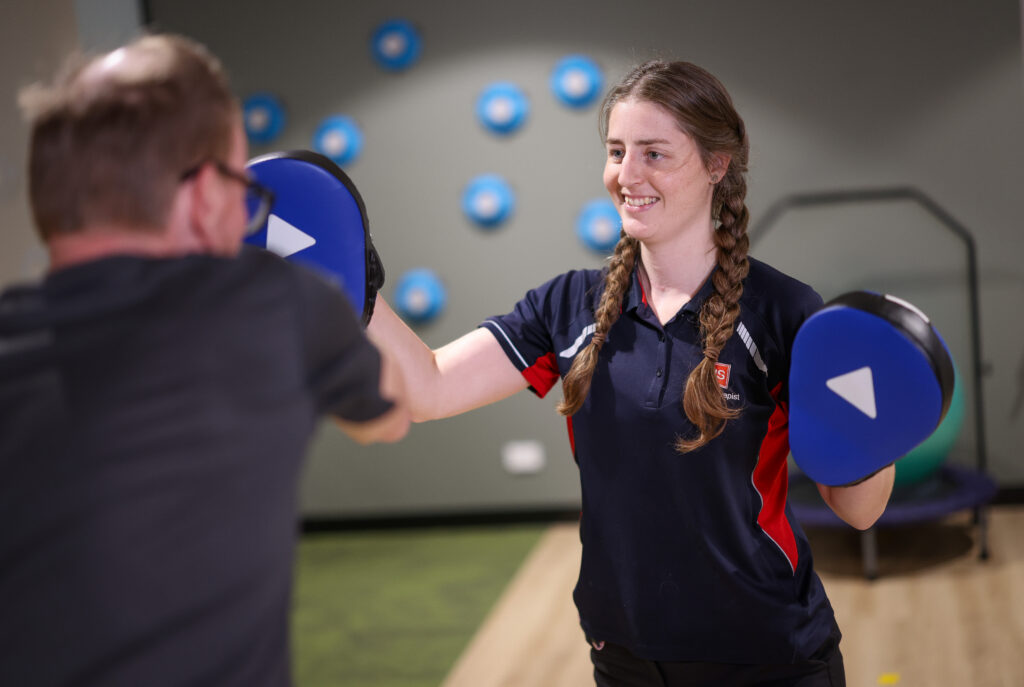
Why Specialised Neurological Support Matters on Your Health Journey
11 September, 2026

A neurological diagnosis can change life in an instant, leaving you with more questions than answers.
Whether you’re living with multiple sclerosis (MS), Parkinson’s disease, motor neurone disease (MND), stroke-related conditions or another neurological condition, navigating life after a diagnosis can feel overwhelming. Changes to your health, mobility, independence, work life and wellbeing can happen gradually or unexpectedly, making it difficult to know where to turn for support.
While many people begin their journey with a range of healthcare providers, there often comes a time when more specialised neurological support can make a significant difference. Having support from people who understand the unique challenges of these conditions can help you feel more confident, informed and connected throughout your journey.
Why Specialised Neurological Support Matters
Neurological conditions are often complex and unpredictable.
Symptoms can change over time, new challenges may emerge, and the supports that once met your needs may no longer be enough. What works well today may need to be adapted tomorrow.
Specialised neurological support focuses on understanding the whole person, not just the diagnosis. It considers how your condition affects your daily life, goals, relationships, wellbeing and independence, while helping you access the right services and strategies to support your health and quality of life.
The right support can help you:
- Better understand and manage changes in your condition
- Maintain independence for longer
- Build confidence in navigating health and disability systems
- Access services that align with your goals
- Stay connected to your community
- Improve overall wellbeing and quality of life
Most importantly, it helps ensure you’re not navigating your journey on your own.
When Your Current Supports May No Longer Be Right For You
Many people continue with the same supports for years, even as their needs change.
If any of the following sound familiar, it may be time to review your current support network:
Your needs have changed
You may be experiencing new symptoms, increased fatigue, mobility challenges, cognitive changes, pain, or difficulties managing everyday activities.
As your condition evolves, your supports should evolve too.
You’re finding it harder to manage on your own
Tasks that once felt simple may now require more time, effort or assistance. Whether it’s getting out into the community, managing household responsibilities or coordinating appointments, additional support may help reduce stress and improve daily life.
You’re unsure what’s available to you
Navigating the NDIS, community services, employment supports and healthcare systems can be confusing. If you’re not sure what assistance you’re eligible for or where to start, specialised guidance can help you understand your options.
Your care feels disconnected
Managing multiple providers can sometimes feel overwhelming, particularly when services aren’t working together to support your goals.
A more coordinated approach can help ensure the right supports are in place when you need them.
You feel isolated
One of the biggest signs that additional support may be beneficial is feeling like you’re facing your diagnosis alone.
The right support should leave you feeling empowered, informed and connected, not overwhelmed.
The Value of a Team That Understands Neurological Conditions
No two neurological journeys are the same.
That’s why having access to a team with extensive experience supporting people living with neurological conditions can be so valuable. A coordinated, person-centred approach can help ensure your supports adapt as your needs, goals and circumstances change over time.
At MS Queensland, our experienced neurological care team provides specialised services and supports designed specifically for people living with neurological conditions.
We work alongside individuals, families and carers to help them navigate change, maintain independence and achieve the goals that matter most to them.
Our range of services includes:
- In-home and community supports
- NDIS access support and guidance
- Support coordination
- Allied health services
- MS Nurse support
- Continence support
- Inclusive employment assistance
- NeuroAssist Infoline, our free information and support service
Whether you’re newly diagnosed, exploring NDIS options, looking for practical support at home, or seeking guidance as your needs change, our team can help connect you to the right services and resources.
You Don’t Need to Wait Until Things Become Difficult
A common misconception is that support is only needed when symptoms become severe or circumstances become challenging.
In reality, seeking support early can often lead to better outcomes. Early intervention can help you build skills, access appropriate services, stay connected to your community and make informed decisions about your future.
The right support isn’t just about managing challenges. It’s about helping you continue to do the things that matter most to you.
Don’t Navigate a Neurological Diagnosis Alone
Living with a neurological condition can sometimes feel isolating, but it doesn’t have to be.
Whether you’ve recently received a diagnosis, are experiencing changes in your condition, or simply feel your current supports are no longer meeting your needs, accessing specialised neurological support can help you move forward with greater confidence.
At MS Queensland, we’re committed to supporting people at every stage of their neurological journey through personalised services, practical guidance and a team that understands the complexities of neurological conditions.
Whether you’re looking for information, exploring support options for the first time, or reassessing the services you currently receive, we’re here to help. Our experienced team can connect you with the right supports, answer your questions and help you navigate the next steps with confidence.
Request a callbackRelated posts

Chronic Fatigue and Employment: Support to Stay in Work or Find the Right Job
Meet Christian: Creating Sustainable Employment Outcomes on the Gold Coast