Is Telehealth Effective for Neurological Allied Health Appointments?
14 August, 2026
When people hear the word telehealth, they often assume it’s a second-best option. Something to use when attending an appointment in person isn’t possible.
However, neurological telehealth services have become much more than a convenient alternative. For many people living with neurological conditions, telehealth provides a flexible and effective way to access physiotherapy, exercise physiology and occupational therapy, whether as a standalone service or alongside face-to-face care.
From improving access to specialised support in regional Queensland to helping people stay engaged with their therapy goals, neurological telehealth services are changing the way allied health care is delivered.
Why Telehealth Complements Face-to-Face Therapy
Let’s be clear, there will always be situations where in-person appointments are the most appropriate option.
Hands-on assessments, equipment trials and certain treatment interventions often require face-to-face visits. However, not every appointment needs to happen in person to be effective.
Many aspects of physiotherapy, exercise physiology and occupational therapy can be delivered successfully via telehealth, allowing customers to stay connected with their clinicians between appointments and receive support when attending in person isn’t practical.
Rather than viewing telehealth and in-person therapy as competing options, it’s more helpful to think of them as complementary services that work together.
The Benefits of Combining Telehealth and In-Person Therapy
A blended approach allows customers to access the best of both worlds.
For example, an in-person appointment may be used for a comprehensive assessment, while telehealth sessions can help maintain momentum between visits, review progress, adjust programs and address challenges as they arise.
This can be particularly valuable for people with neurological conditions, where ongoing support and consistency often play a significant role in achieving positive outcomes.
Telehealth can also help reduce the burden associated with frequent travel, allowing customers to save their time and energy for the activities that matter most.
Supporting People in Regional and Rural Queensland
Access to specialised neurological services can be challenging outside major metropolitian areas.
Many people living in regional, rural and remote communities may not have local access to physiotherapists, exercise physiologists or occupational therapists with specialised neurological experience.
Telehealth helps bridge that gap.
Instead of travelling long distances or going without support, customers can access experienced clinicians from their own home while still receiving individualised care tailored to their goals and circumstances.
For Queenslanders living outside major cities, telehealth can provide access to specialised support that may otherwise be unavailable locally.
Telehealth Allows Therapists to See Real Life in Action
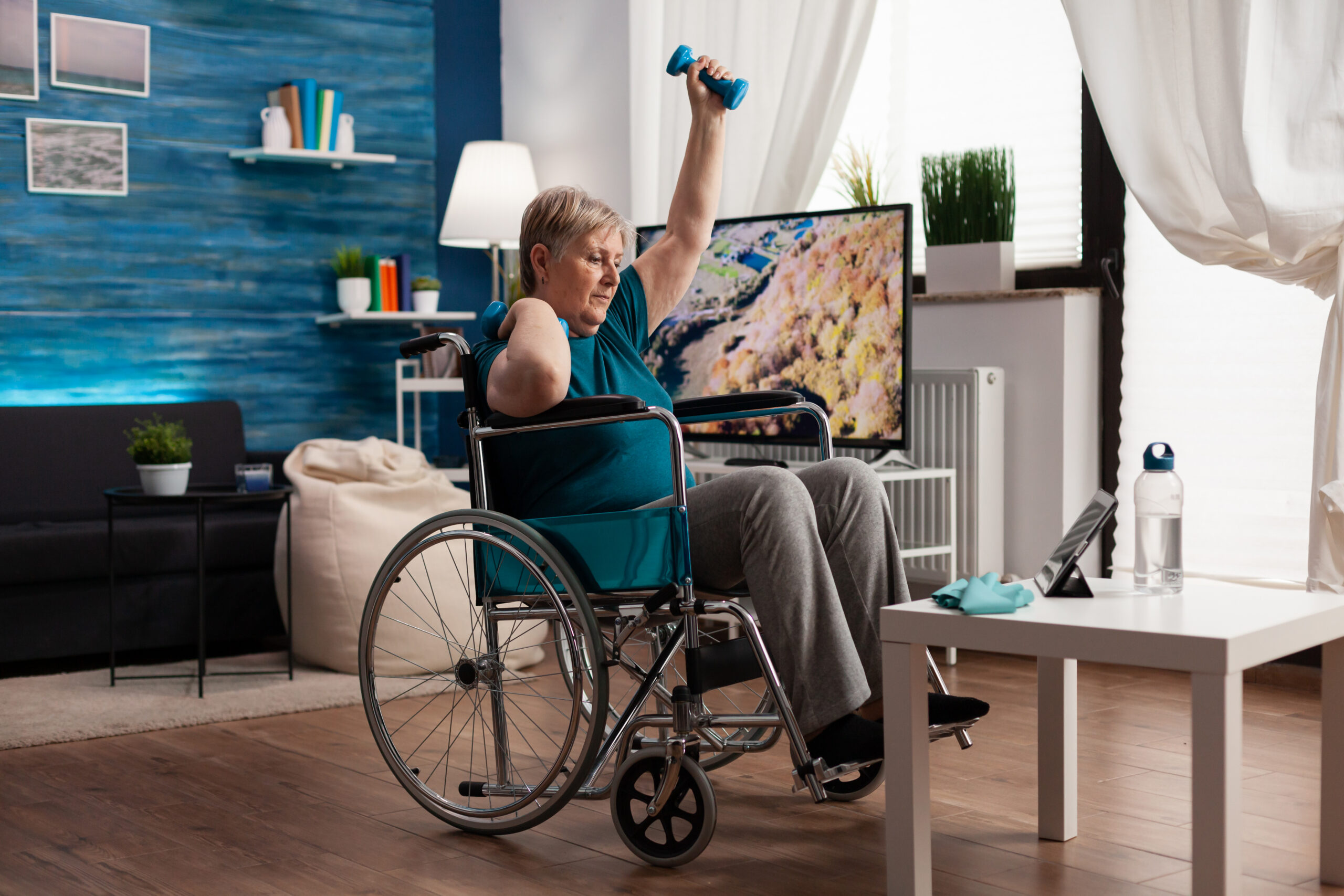
One unique advantage of telehealth is that clinicians can observe you within your home environment.
Rather than discussing challenges in theory, therapists can see how someone navigates their home, completes daily tasks or manages their exercise program in the space where it actually happens.
This can provide valuable insights that help therapists deliver practical and personalised recommendations.
For occupational therapy in particular, being able to view home environments, routines and equipment in real time can be incredibly beneficial.
Effective Across Physiotherapy, Exercise Physiology and Occupational Therapy
Telehealth can support many of the same goals that customers work towards in face-to-face therapy.
Physiotherapy
Telehealth can help people living with neurological conditions improve mobility, build confidence with movement, maintain physical function and stay engaged with tailored programs. Physiotherapists can provide ongoing guidance, education and progression of programs to help you continue working towards your goals between in-person appointments.
Exercise Physiology
Exercise physiologists can support you to develop sustainable exercise habits, improve strength and endurance, manage fatigue and incorporate physical activity into everyday life. Regular telehealth sessions can provide accountability, motivation and guidance, helping you to stay on track with your health and wellbeing goals.
Occupational Therapy
Occupational therapists can help people maintain independence, develop strategies for everyday tasks, manage fatigue, support participation in meaningful activities and build confidence at home, work or in the community. Telehealth can be particularly valuable because support is provided within the environment where these activities occur every day.
For many people, telehealth isn’t about replacing face-to-face therapy. It’s about creating more opportunities to access support, stay connected with their clinicians and continue making progress between in-person appointments.
Accessing Care When and Where You Need It
One of the greatest strengths of telehealth is its flexibility.
For people living in regional. rural and remote Queensland, telehealth can provide access to experienced neurological physiotherapists, exercise physiologist and occupational therapists that may not be available locally. Rather than travelling long distances or waiting for specialist services, you can access support from the comfort of your own home.
Telehealth can also be valuable for those who primarily attend face-to-face appointments. Life doesn’t always go to plan, and factors such as fatigue, transport challenges, work commitments, illness, or weather events can make travelling to an appointment difficult. Telehealth provides an alternative way to stay connected with your therapy team and continue working towards your goals.
Whether used as a standalone service or alongside in-person therapy, telehealth offers greater flexibility and helps ensure access to the support you need, when you need it.
Offering Telehealth Across Queensland
If your considering telehealth as part of your therapy journey, our team is here to help. We offer physiotherapy, exercise physiology and occupational therapy services via telehealth across Queensland, helping people access expert support no matter where you live.
Get in touch with our friendly team to discuss how we can best support you and your goals.
Request a callbackRelated posts

Chronic Fatigue and Employment: Support to Stay in Work or Find the Right Job
Meet Christian: Creating Sustainable Employment Outcomes on the Gold Coast