
Meet Michaela: Supporting Employment Pathways in Bundaberg & Wide Bay-Burnett Region
11 August, 2026
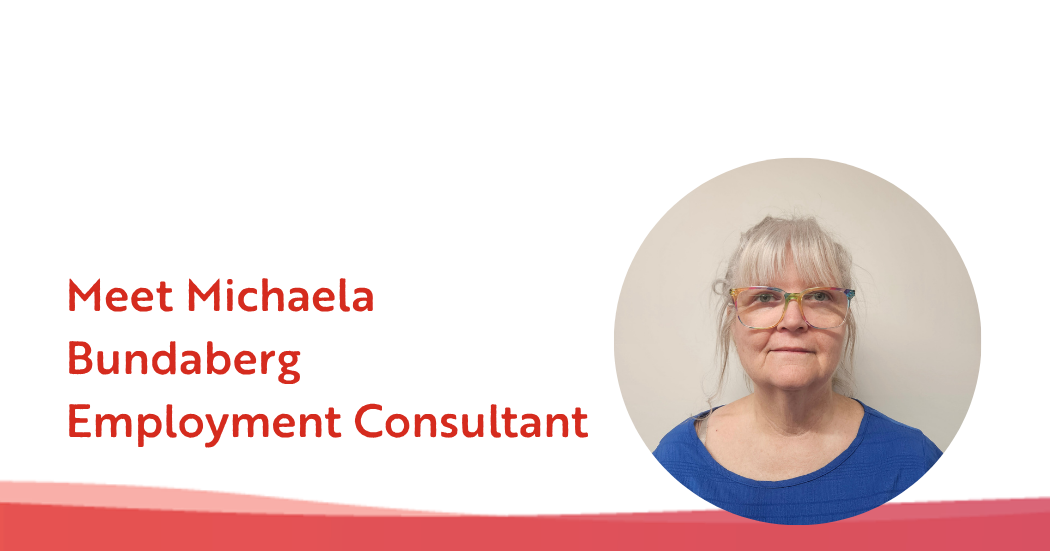
Meaningful employment is about more than simply finding a job – it’s about building confidence, independence and a sense of purpose. We sat down with Michaela, our Employment Consultant in Bundaberg, to learn more about her role, her passion for helping people achieve their employment goals, and the opportunities available for people living with neurological conditions in Bundaberg & the Wide Bay-Burnett region.
What might surprise people about employment support for people living with neurological conditions?
After working in disability employment services for 15 years, I think people are often surprised by how capable and resilient people living with neurological conditions are. The biggest barrier is rarely a person’s ability, it’s often the misconceptions and assumptions others make about what they can achieve.
Every person’s experience is different, which is why there is no one-size-fits-all approach. What I’ve learned throughout my career is that by taking the time to understand someone’s strengths, goals and support needs, we can help them find meaningful employment that wors for them.
Working in the IEA program has reinforced my belief that employment can be life changing. Having the right support, workplace adjustments and an employer who is willing to see the person beyond their diagnosis can make all the difference. Watching someone build confidence, gain independence and achieve goals they once thought were out of reach is one of the most rewarding parts of my role.
How have employment opportunities changed over the years?
Over the past 15 years, I’ve been encouraged to see positive changes in the way employers think about inclusion and workplace flexibility. There’s a growing recognition that people living with neurological conditions bring valuable skills, experience and perspectives to the workplace.
The increase in flexible work options, hybrid roles and assistive technology has also created more opportunities for people to find work that suits their individual needs and strengths. While everyone’s journey is different, these changes have made employment more accessible for many people.
There’s still more work to do, but it’s wonderful to see more employers focusing on people’s abilities rather than their diagnosis. Being able to support someone to find meaningful employment, build confidence and achieve their goals is what makes this work so rewarding for me.
What strengths do people living with neurological conditions bring to the workplace?
I think the biggest thing employers can overlook is the person behind the diagnosis. Every individual is different, and it’s important not to make assumptions about what someone can do based on their condition.
So many people having impressed me with their determination, resilience and willingness to keep trying, even when they’ve faced challenges. Everyone brings different strengths, whether that’s problem-solving, reliability, creativity or a unique perspective.
When employers focus on a person’s strengths, they’re often surprised by what they can achieve. Some of the most rewarding moments in my job have been seeing people grow in confidence and succeed in roles they genuinely enjoy.
What’s a workplace adjustment you’ve seen make a big difference?
Often, it’s the small adjustments that have the biggest impact. For example, flexible start and finish times can make a real difference for someone managing fatigue or attending regular appointments. It allows them to work when they’re at their best and helps reduce unnecessary stress.
I’ve also seen employers make simple changes like providing written instructions as well as verbal ones, breaking tasks into manageable steps, or making small adjustments to the work environment. These changes don’t usually require a lot of time or money, but they can make someone feel more supported and confident in their role.
For me, they key is having an open conversation with the person and the employer. When everyone is willing to work together and focus on what will help someone succeed, the outcomes can be incredibly positive.
How do local employers help create opportunities in Bundaberg?
Local employers play an important role in creating opportunities for people living with neurological conditions. When an employer is open to having conversations, understanding individual needs and focusing on a person’s strengths, it can make a real difference.
Across the Bundaberg region, there are employers who are willing to embrace inclusion and provide people with the opportunity to demonstrate their skills and abilities. Creating an inclusive workplace doesn’t always require major changes – often it’s about being flexible, showing understanding and working together to find solutions that support both the employee and the business.
There is always more we can do to build awareness and create opportunities, but it is encouraging to see the positive impact that can happen when employers are willing to take that step. Supporting someone to gain confidence, become part of a team and achieve their employment goals is one of the most rewarding parts of this work.
What’s the most rewarding part of your role?
The most rewarding part of my role is being able to be part of someone’s journey and seeing the positive impact that employment can have on a person’s life. A job is not just about earning an income – it can bring confidence, independence, connection and a sense of purpose.
Over the years, I’ve shared many moments with people as they’ve taken steps towards their goals, whether that’s securing their first role, returning to work after a difficult time, or simply realising that they are capable of more than they first believed. Seeing someone’s confidence grow and watching them recognise their own strengths is incredibly special.
What keeps me passionate is the people I have the privilege of supporting. Everyone has their own story, their own strengths and something valuable to offer. Being able to walk alongside someone, encourage them and celebrate their achievements is what makes this work so meaningful to me.
What would you say to someone who’s nervous about returning to work?
I would say that it’s okay to feel unsure. Returning to work or looking at new opportunities can feel like a big step, especially if someone’s circumstances have changed due to a neurological condition. It can take time to adjust, revuild confidence and work out what the next steps look like.
I’d encourage them to take things one step at a time and not underestimate the skills, experience and strengths they already have. Sometimes people focus on what they feel they’ve lost, rather than recognising all the things they can still offer.
It’s about finding the right pathway, at the right pace, and helping people see what they are capable of.
I’d want people to know that they don’t have to do it alone. There is support available, taking that first step can open the door to opportunities they may not have thought were possible.
Request a callbackRelated posts

Meet Nicole: Supporting Employment Pathways on the Fraser Coast

Understanding SDA: Who Is It For and What Evidence Is Needed?
