Meet Erica
10 September, 2026
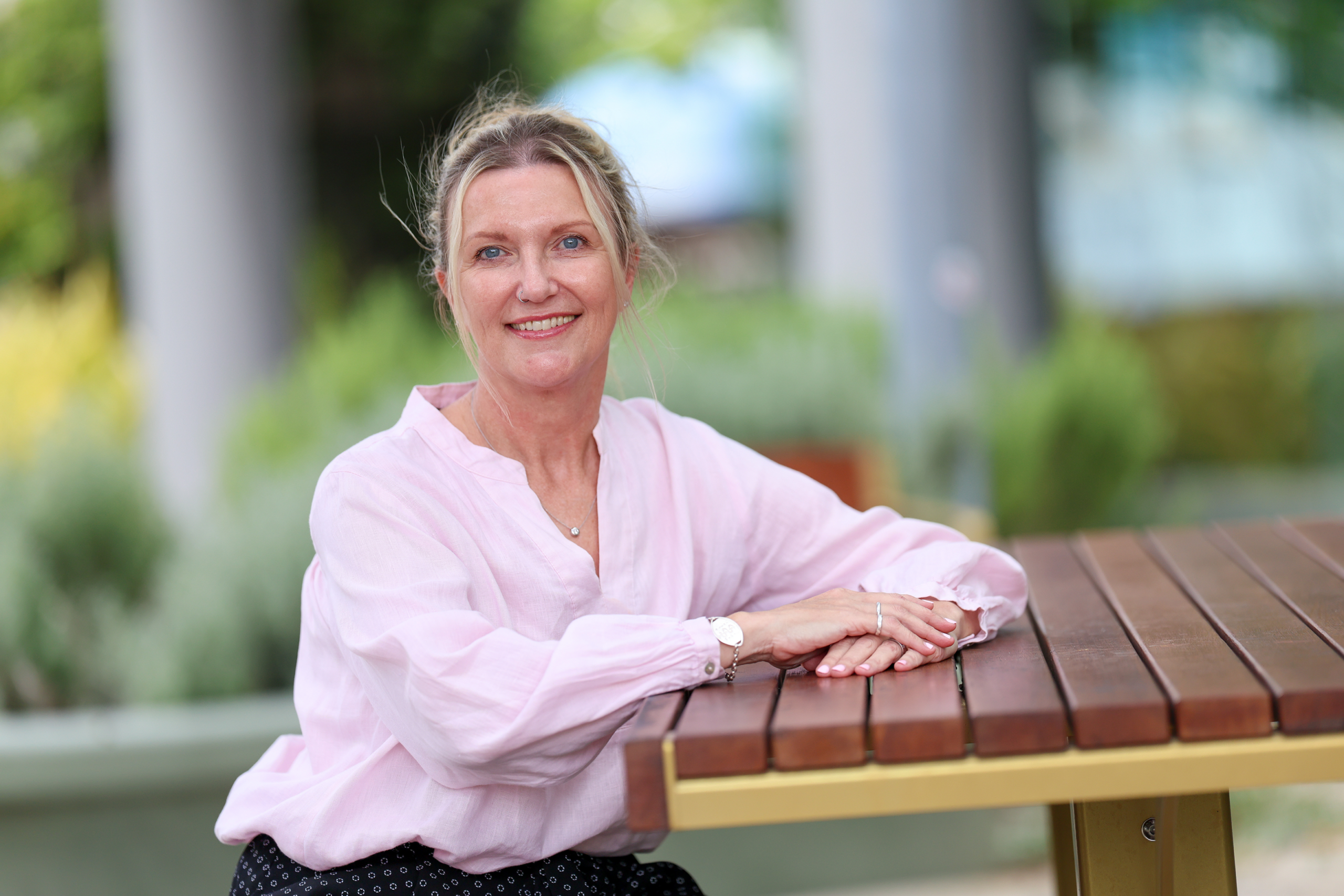
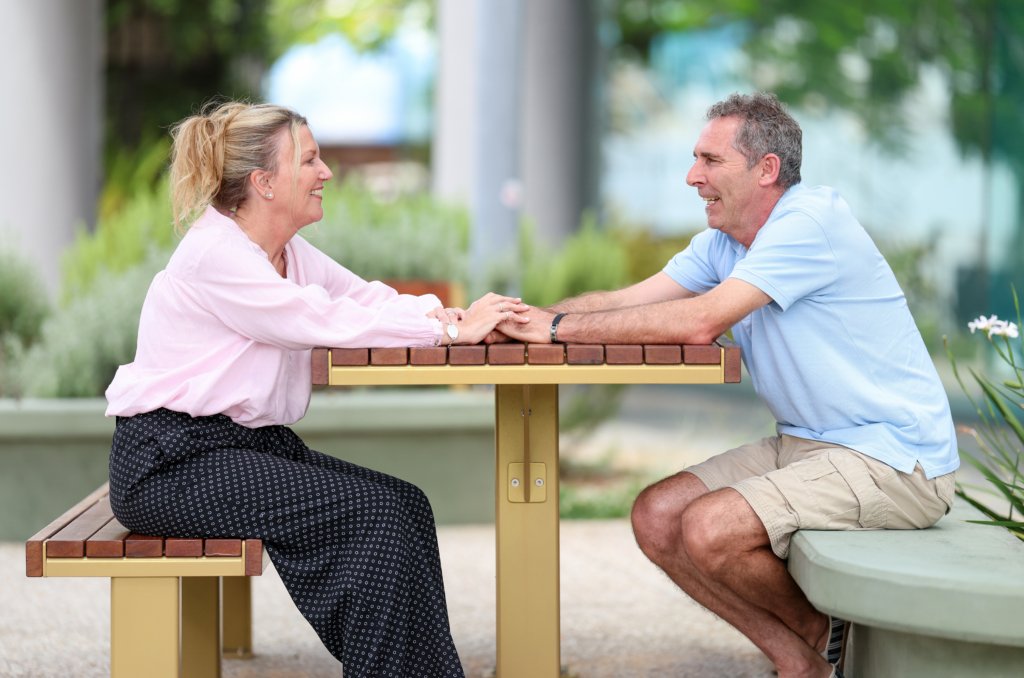
When Erica Meakin first connected with MS Queensland, she was navigating life-changing diagnoses, an uncertain future and the emotional impact it was having on both her and her husband, Karl.
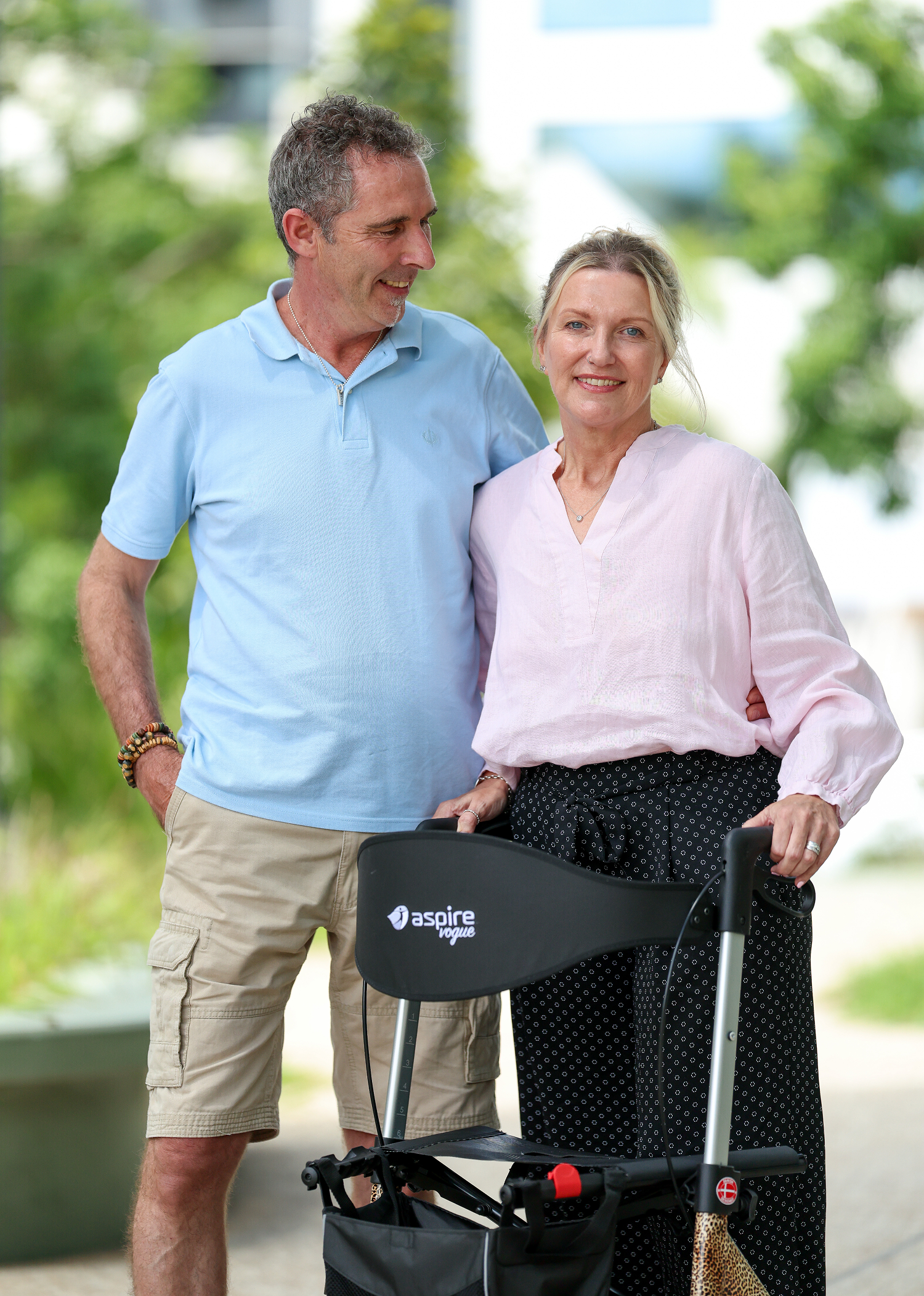
An adventurous couple who were always first on the dance floor, up for a weekend hike and ready for the next challenge, Erica and Karl had built a life around saying yes. But after years of unexplained symptoms, Erica was eventually diagnosed with Neuromyelitis Optica Spectrum Disorder (NMOSD) and, later, Functional Neurological Disorder (FND).
Looking back, she can now recognise some of the signs that something wasn’t right.
“I have a photo of me in bed, fast asleep, not even stirring, with Karl painting the house around me in full renovation-mode.”
At the time, Erica put the exhaustion down to the stress of renovating their home and preparing to emigrate from England to New Zealand.
Years later, after multiple episodes of optic neuritis, a severe attack in Brisbane finally provided answers.
“My third optic neuritis attack occurred in 2019 and the vision in my right eye went jet black, quickly followed by me becoming paralysed from the breastbone down.”
“In hospital the specialists discovered a large lesion on my spine and that prompted my NMOSD diagnosis.”
While Erica was surrounded by healthcare professionals, she could see the toll the experience was taking on Karl.
“He was concerned his wife was dying and he was away from family who were all back in England.”
“I had a neuro team, physio people, a social worker … I had a team of people around me. He had nobody.”
That’s when a social worker encouraged Erica to contact MS Queensland.
Initially, she was unsure.
“My first reaction was, ‘But I don’t have MS’.”
Like many people, Erica didn’t realise MS Queensland supports people living with a range of neurological conditions, not just multiple sclerosis.
“I was sceptical when I called and hesitantly asked if they could possibly help me, which of course they could.”
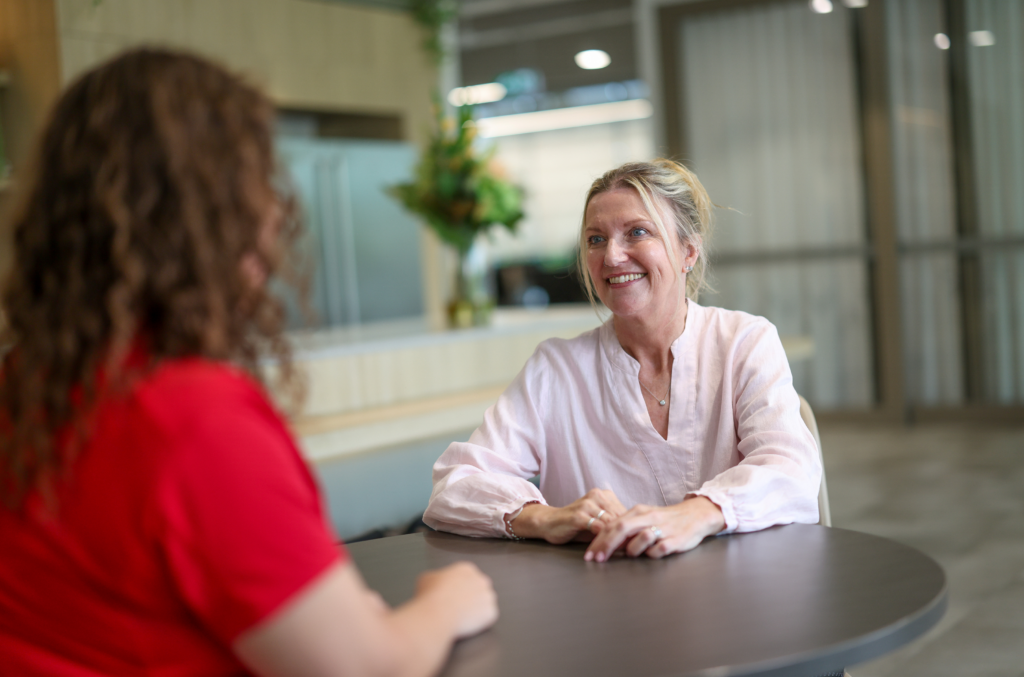
MS Queensland helped Erica access the NDIS, find support in her local community and connect with others who understood the realities of living with a neurological condition.
One of the most meaningful experiences was attending a community support group, where Karl found people who understood his journey too.
“They quickly rallied around Karl and gave him the support he craved.”
“He realised that the world was not about to end. It will certainly look different, but it won’t end.”
Today, Erica lives with fatigue, vision impairment and dissociative seizures caused by FND, which can leave her exhausted and unable to function for hours at a time.
The unpredictability of her symptoms has significantly impacted her independence.
“I’m not the Nanna that I always thought I’d be.”
“I can’t be left alone to look after my grandchildren. I’m not the Nanna that I always thought I’d be. I can’t pick the grandkids up from school because I worry about driving in case I have a seizure.”
Despite the challenges, Erica remains focused on living a full life.
She and Karl still embrace spontaneity, just with a little more planning and recovery time than before.
“We try to still be spontaneous, it’s who we are; however, we do it with a modicum of organisation and plenty of recovery time.”
Having lived through the uncertainty of diagnosis herself, Erica now supports others beginning their own neurological condition journey.
“The mantra I’ve adopted is to just breathe, sit with your diagnosis, you don’t have to know how you should feel or how you should react, you can just be.”
Over the past six years, MS Queensland has remained a constant source of support for Erica and her family.
“MS Queensland helped me get NDIS access, find community support in my area, and lent me a kind ear when I had nowhere else to go.”
“I used to ring the Neuro Assist InfoLine and cry down the phone and the MS Queensland staff at the other end just got it.”
For Erica, one of the biggest lessons has been recognising that neurological conditions affect entire families, not just the person diagnosed.
“Neurological conditions don’t just affect the person living with them; they affect everyone in the family. Diagnosis is an isolating, scary time for everyone who is touched by a neurological condition.”
Related posts

Chronic Fatigue and Employment: Support to Stay in Work or Find the Right Job
Meet Christian: Creating Sustainable Employment Outcomes on the Gold Coast