
Meet Mellisa: Supporting Employment Pathways in Gladstone
14 July, 2026
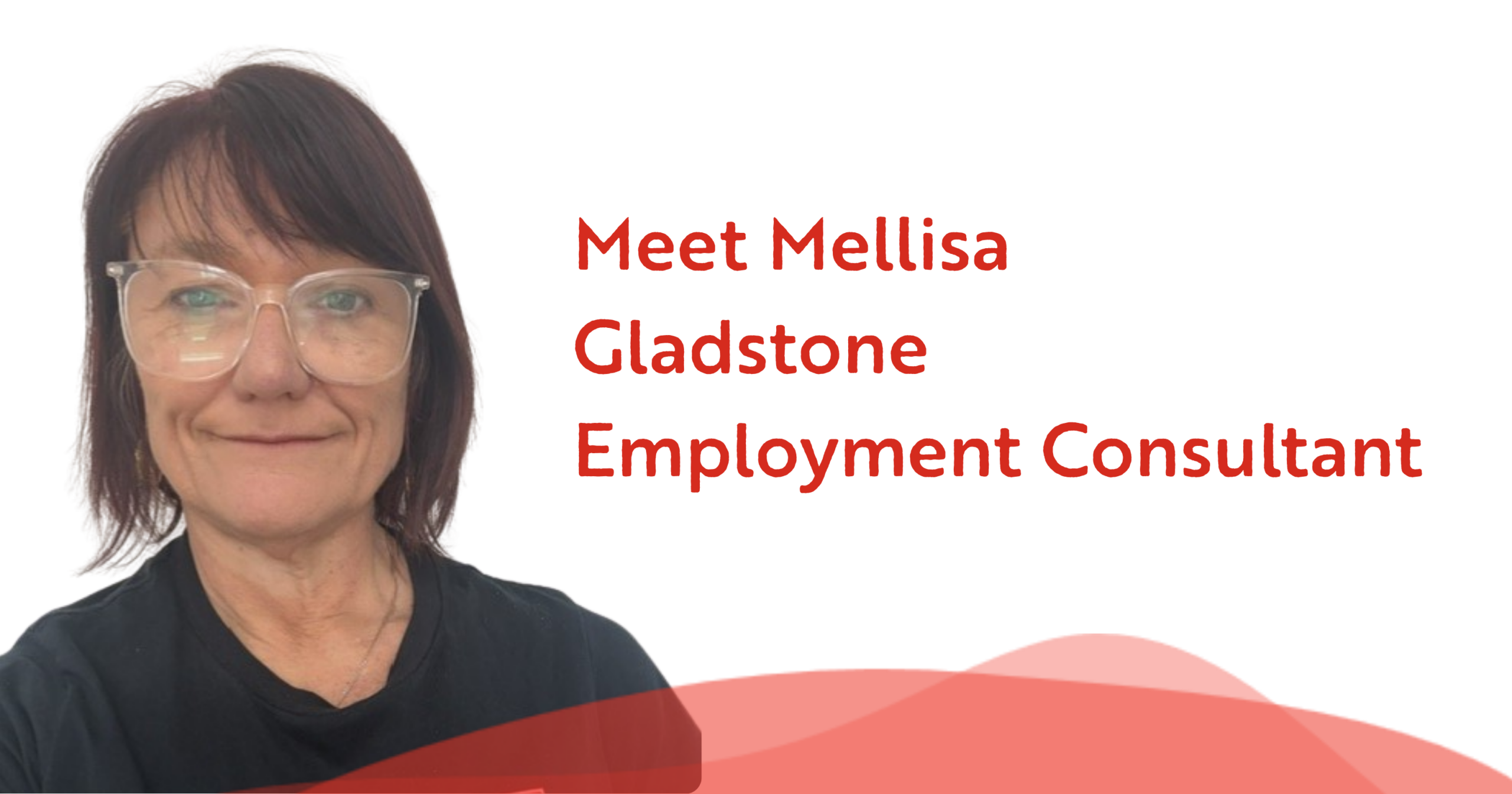
Meaningful employment is about more than simply finding a job – it’s about building confidence, independence and a sense of purpose. We sat down with Mellisa, our Employment Consultant in Gladstone, to learn more about her role, her passion for helping people achieve their employment goals, and the opportunities available for people living with neurological conditions in the Gladstone region.
Can you tell us about your role as an Employment Consultant in Gladstone and what drew you to this type of work?
As an Employment Consultant with MS Queensland, I support people living with neurological conditions to find, return to, or remain in meaningful employment. Every person’s journey is different, so my role is about understanding their strengths, goals and any barriers they may face, then working alongside them to achieve sustainable employment outcomes.
What drew me to this work was the opportunity to make a real difference in people’s lives. Employment provides much more than an income, it gives people confidence, independence, purpose and social connection. Being able to support someone through that journey is incredibly rewarding.
Why is employment support so important for people living with a neurological condition?
Receiving a neurological diagnosis can be overwhelming, and many people worry that it means the end of their career. In reality, with the right support and workplace adjustments, many people continue to work successfully for many years. Employment support helps people understand their options, identify suitable career pathways, build confidence and connect with employers who value inclusion. It also provides education for employers, helping them understand how simple adjustments can make a significant difference.
What are some of the challenges people with neurological conditions may face when looking for work, and how can the right support make a difference?
Some people experience fatigue, mobility changes, pain, cognitive challenges or fluctuating symptoms that can make finding or maintaining work more difficult. Others lose confidence after receiving a diagnosis or are unsure whether they should disclose their condition to an employer.
The right support can make a huge difference. We help with resumes, interview preparation, job searching, workplace modifications, employer education and ongoing support once employment begins. We work with both the individual and the employer to create a positive outcome where everyone feels supported.
What would you like people in Gladstone living with a neurological condition to know if they’re considering employment or returning to work?
I want people to know they don’t have to navigate the journey alone. A diagnosis doesn’t define your ability to work or achieve your goals. Whether you’re looking for your first job, returning after time away, or simply need support to stay in your current role, there are services available to help. Everyone deserves the opportunity to work in an environment where they feel valued, supported and understood.
I truly believe that everyone deserves the opportunity to achieve meaningful employment, regardless of their diagnosis. Sometimes all it takes is the right support, the right employer and someone who believes in your potential. It’s a privilege to be part of that journey and to help people realise that their future is still full of possibilities.
Gladstone has a strong and diverse workforce across multiple industries – what opportunities do you see for people with neurological conditions in the region?
Gladstone offers opportunities across many industries including administration, healthcare, education, retail, hospitality, customer service, transport and the manufacturing industry. Many employers are becoming more aware of the benefits of creating inclusive workplaces and are willing to explore flexible hours, workplace adjustments and different ways of working. Technology and remote work have also opened new opportunities that weren’t available a few years ago.
My role is to connect job seekers with employers who value diversity and inclusion, while also providing education and ongoing support to ensure employment is successful for everyone involved.
What do you enjoy most about helping people discover their strengths and employment goals?
The most rewarding part of my job is watching people regain confidence in themselves. Many people come to us believing they have little to offer because of their diagnosis, but through conversations and support, they begin to recognise their skills, experience, and potential. Seeing someone secure employment, return to a job they love, or simply believe in themselves again is incredibly rewarding. Those moments remind me why this work matters.
Request a callbackRelated posts

Is Telehealth Effective for Neurological Allied Health Appointments?
Meet Michaela: Supporting Employment Pathways in Bundaberg & Wide Bay-Burnett Region